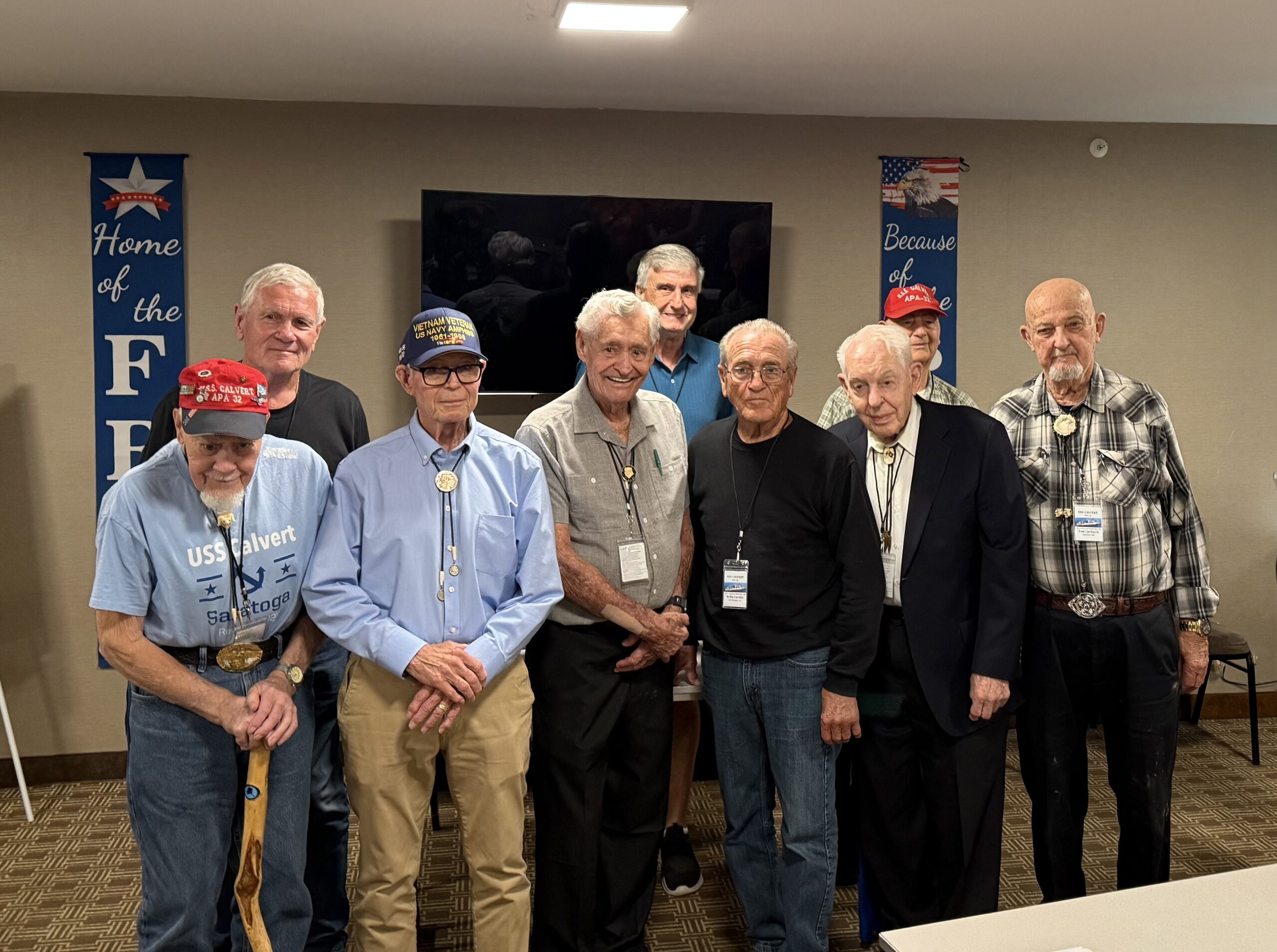
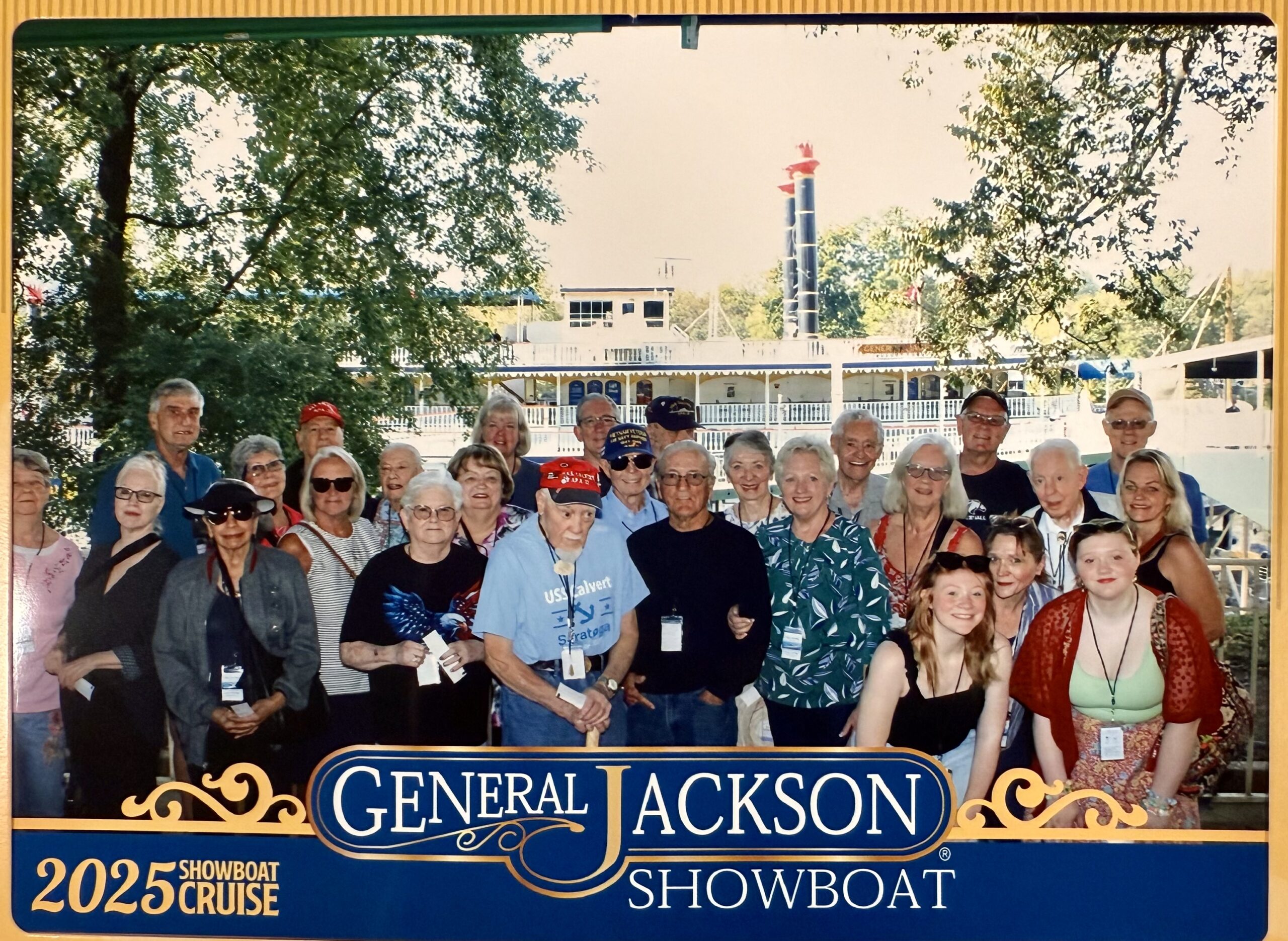
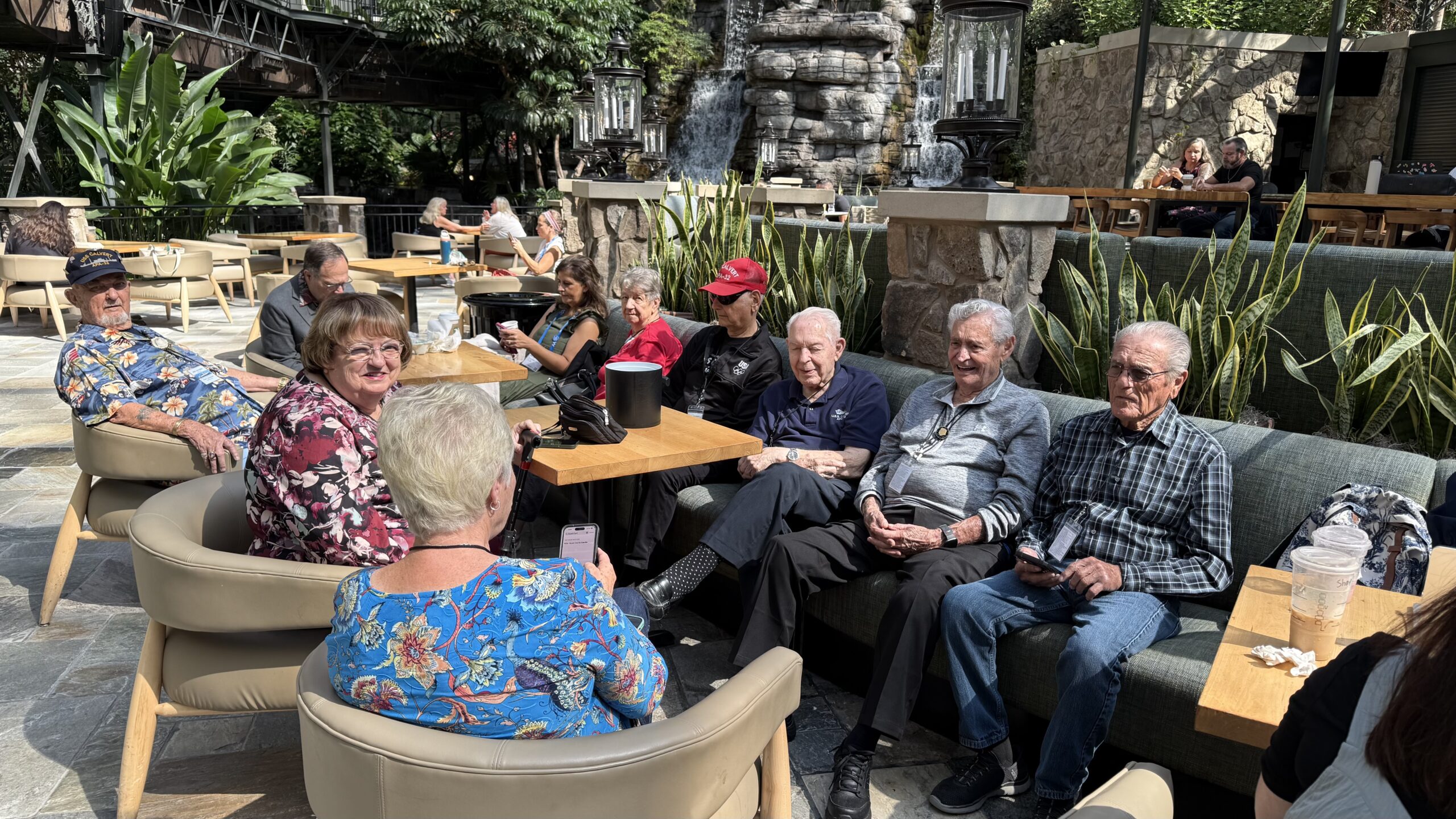
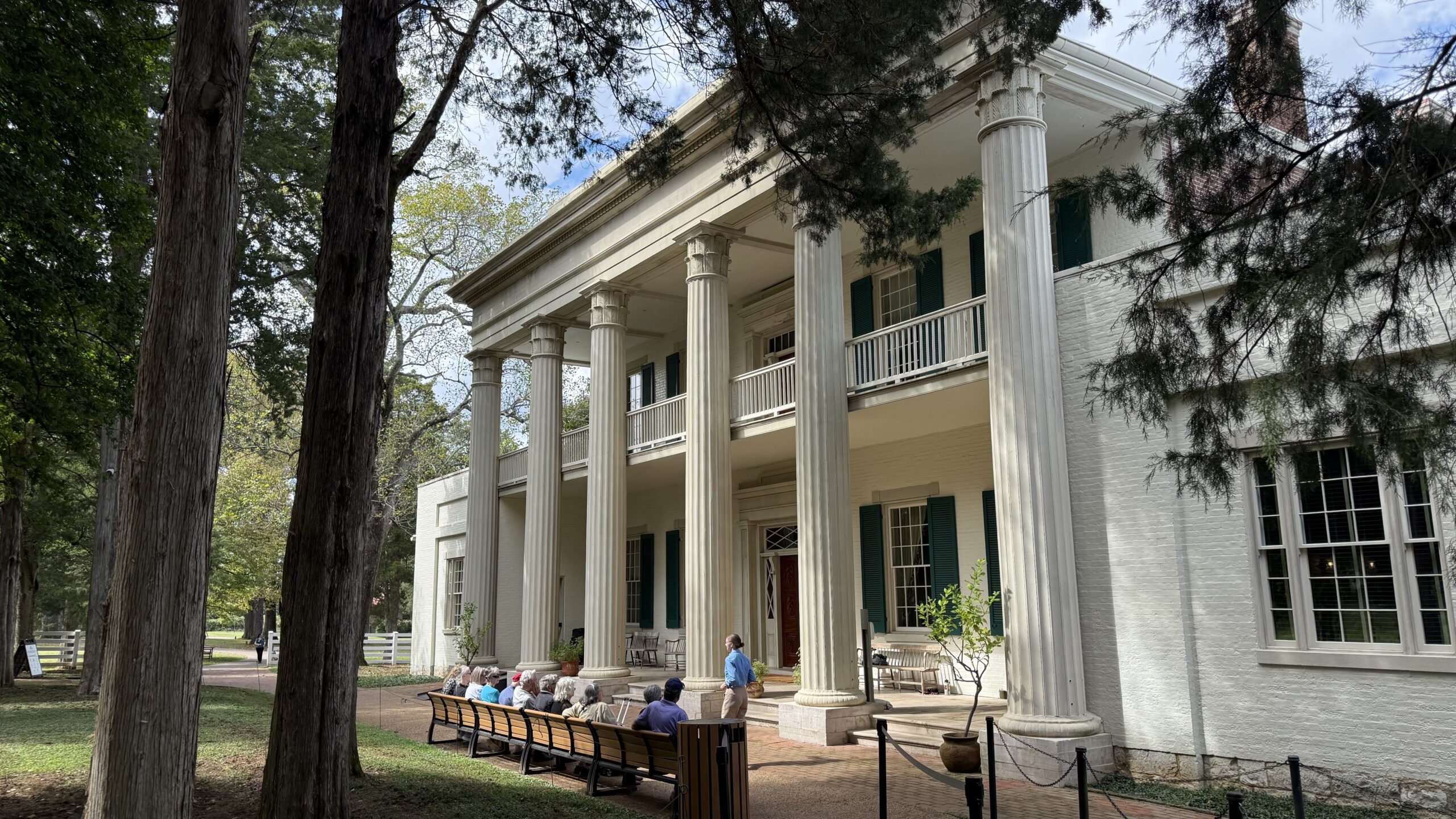
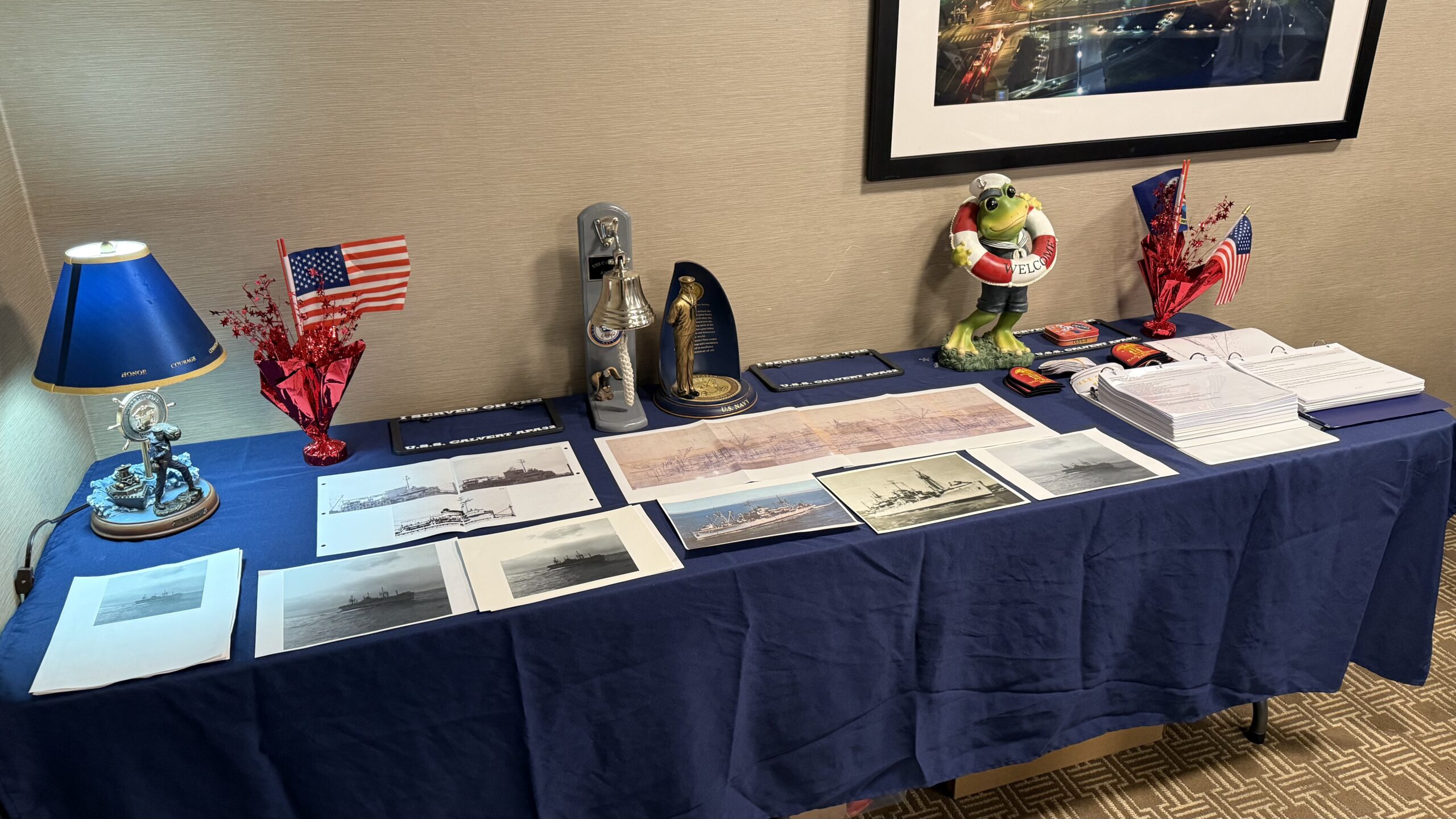
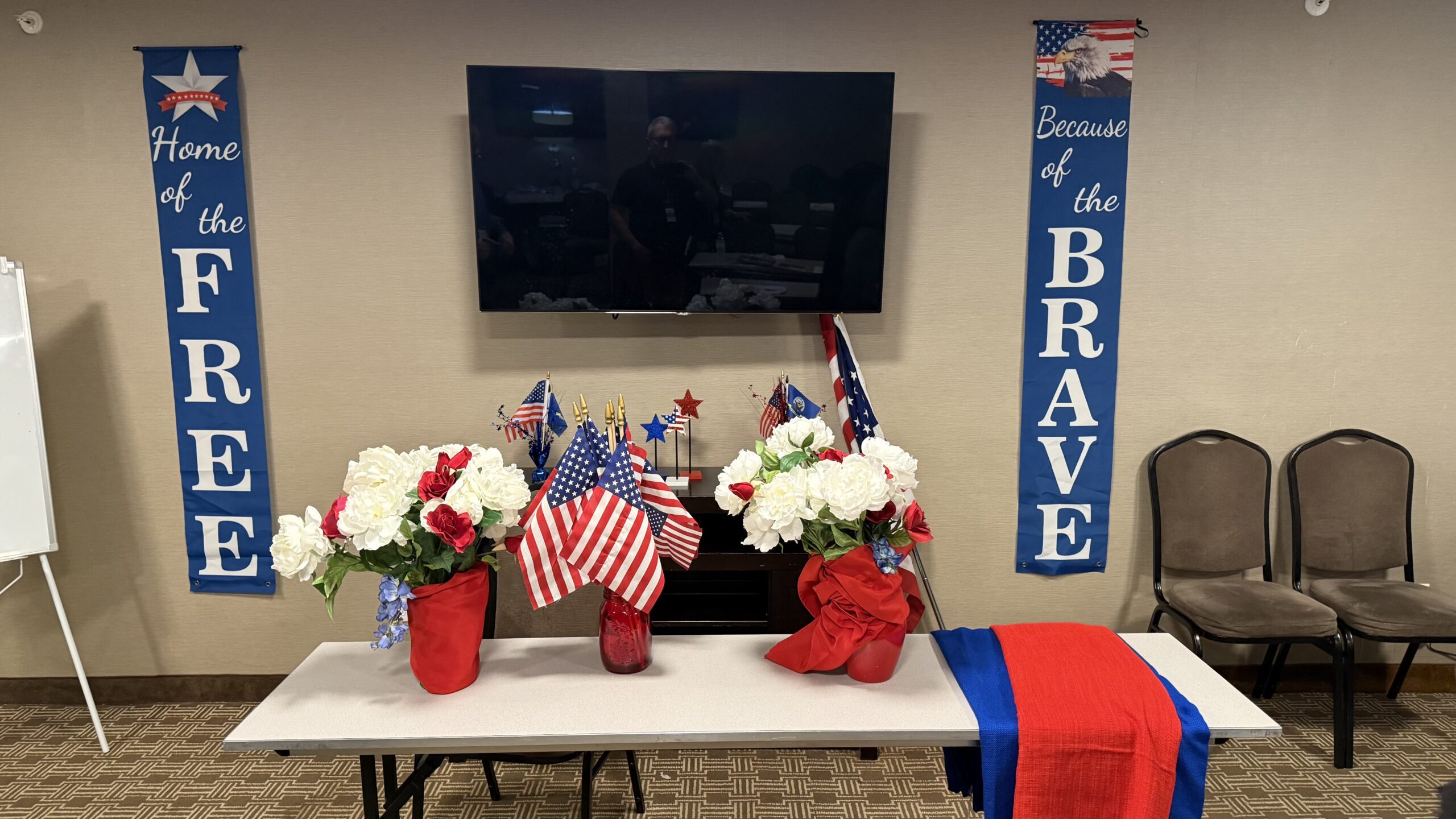
A wonderful time was had by all attendees at this year’s USS Calvert Associates Reunion held in Nashville, TN. September 24th – 28th.
The USS Calvert crew members in attendance at the 2025 Reunion, representing service from 1952 to 1966.
Four hours aboard the General Jackson Showboat: A pleasant cruise on the Cumberland River, a fine dinner, a musical show.
A visit to the Gaylord Opryland Resort & Convention Center for lunch and exploration.
A visit to Andrew Jackson’s Hermitage, a guided tour, and a pleasant walk of the grounds. Perfect weather.
Riders In The Sky, The Grand Ole Opry. The USS Calvert Associates were recognized by the MC during the show and received a round of applause from the audience.
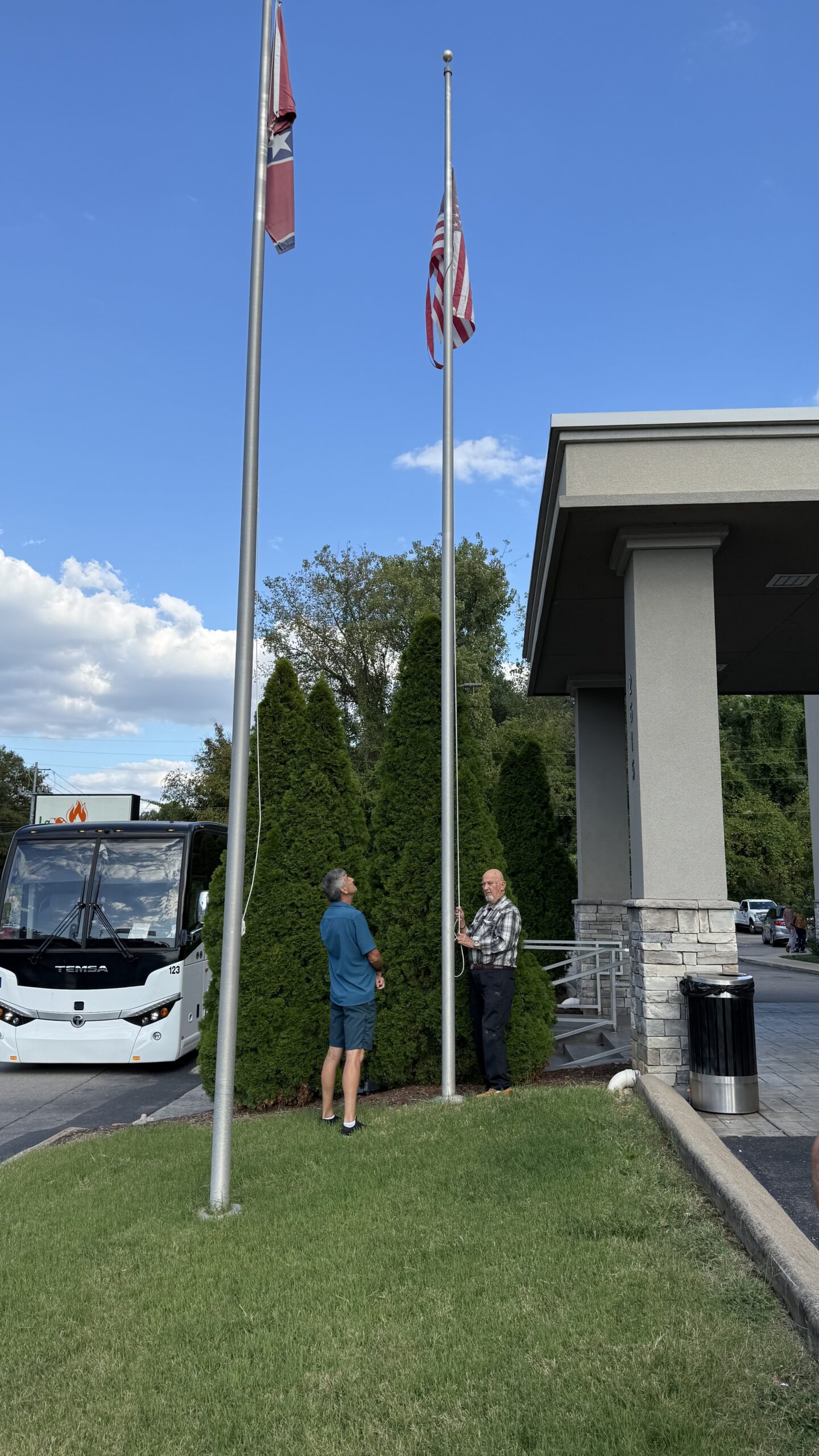
Lowering the tattered U.S. Flag at the hotel, and replacing it with a new U.S. Flag.
Earlier this summer my Great Aunt called to read aloud a passage from The Fifteen, by William Geroux. Of course, mention of the USS Calvert was the impetus for the phone call. “… The First Battalion rode towards Sicily aboard the U.S. Navy assault ship USS Calvert …”
Although the Calvert plays a small part in the book, the story of William H. Schaefer [Colonel, U. S. Army, Ret.] alone is worth reading the book. Schaefer was an officer of the First Battalion, landed at Sicily from one of the Calvert’s landing craft, and quickly found himself a prisoner of war. This section of the book also sheds more light on crew member Seaman Francis Carpenter’s time ashore at Sicily as an unofficial scout for the First Battalion.
More fully, Mr. Geroux’s work is an excellent piece of historical research and also an engaging read, covering a little known aspect of World War II: The nearly 400,000 German prisoners of war who were interned in the United States, the U.S. Army’s military tribunals of German 15 prisoners accused of murdering fellow prisoners, and the German response of sentencing of 15 American prisoners of war to death. I highly recommend this book to anyone interested in WWII history, and as an exploration of how quickly circumstances, perspective, and fate can change for a person in combat.
The Fifteen was so engaging that I paused completing my work that details the Calvert’s November 1960-July 1961 Far East Cruise. As my family will attest, I am obsessed with making progress on deep-dive historical research on the Calvert. I also have the problem of accumulating unfinished books on my nightstand. So I surprised myself by finishing the book within a week. I chalk this accomplishment based on the quality of Mr. Geroux’s writing, not a random spark of discipline on my part.
Coincidently, I had an unread copy of a novel on my bookshelf: The Welsh Girl, by Peter Ho Davies. I had purchased this novel several years ago, based on a personal curiosity into a Welsh word I have been drawn to for well over a decade: Cynefin.
It so happens that one of the characters in the novel is a German prisoner of war who is interned in a British POW camp in the countryside of Wales. Having recently completed The Fifteen, I felt it was time to give The Welsh Girl a focused read. I always planned to give the novel my full attention once started, as I expected it deserved focus and special attention. The idea of cynefin takes time and a quality of attention to explore, as does reading written craftsmanship.
I was curious if, and how, the two books would complement each other. I was not disappointed. Reading both back-to-back is a reward of continuity of the themes from Mr. Geroux’s work, and a further reinforcement of the feelings that naturally emerge from a sense of, and touch with, cynefin, when reading Mr. Davies’ The Welsh Girl.
Cynefin, pronounced kuh-nev-in, has no direct English equivalent. Even Welsh authors and cultural scholars interpret it in varying light and description.
My initial exposure to this idea came from Dave Snowden, in a professional setting, in 2009: 1) “Cynefin signifies the multiple, intertwined factors in our environment and our experience that influence us (how we think, interpret and act) in ways we can never fully understand” and, 2) “The place of our multiple belongings.”
For me personally the idea behind the word itself has always held a certain curiosity in my mind. I have been drawn, at times, to explore it more thoughtfully and deeply in the spirit of my own sense of connection with certain places and communities.
In The Welsh Girl, Mr. Davies sets cynefin in the context of the sense of the knowing and belonging within a flock of sheep, and how that knowledge is passed down from one generation of the flock to the next. His craft of story telling weaves a more complex and human experience of cynefin by exploring the concepts of place, culture, community, belonging, and longing.
The Oregonian framed the novel as a read that “… will haunt the reader long after closing the book.” I will frame this novel as an opportunity to explore the idea of cynefin, set in a time of war, with feelings that may follow the reader in their thoughts well after finishing the book.
Having read both books back-to-back, I am drawn to contemplate the experience of POWs transported aboard the Calvert during WWII. It is reported by individual crewman stories that Italian and German prisoners of war were transported from North Africa to Norfolk in the summer of 1943, when the ship returned from the invasion of Sicily. Japanese prisoners of war were officially recognized as being aboard the Calvert the summer of 1944 when they were transported from Saipan to Hawaii. In both cases these POWS were transported in the holds of the Calvert, from their place of capture, to be interned in prisoner of war camps on U.S. and territorial soil.
These prisoners aboard the Calvert, our enemies at the time, went from conquerors one moment to captives the next. Whether by surrender or capture, they surely questioned their fate in the hands of their enemy. They had no idea of their destination, and likely questioned if they would ever see their families again.
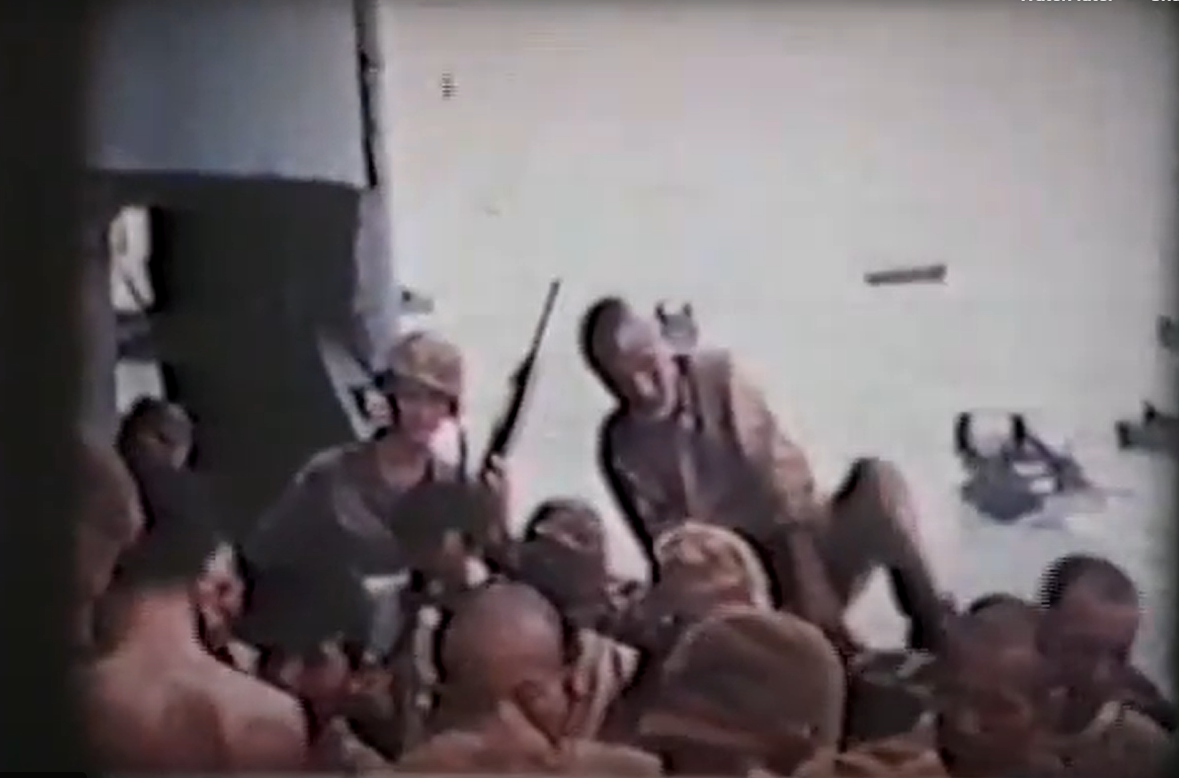
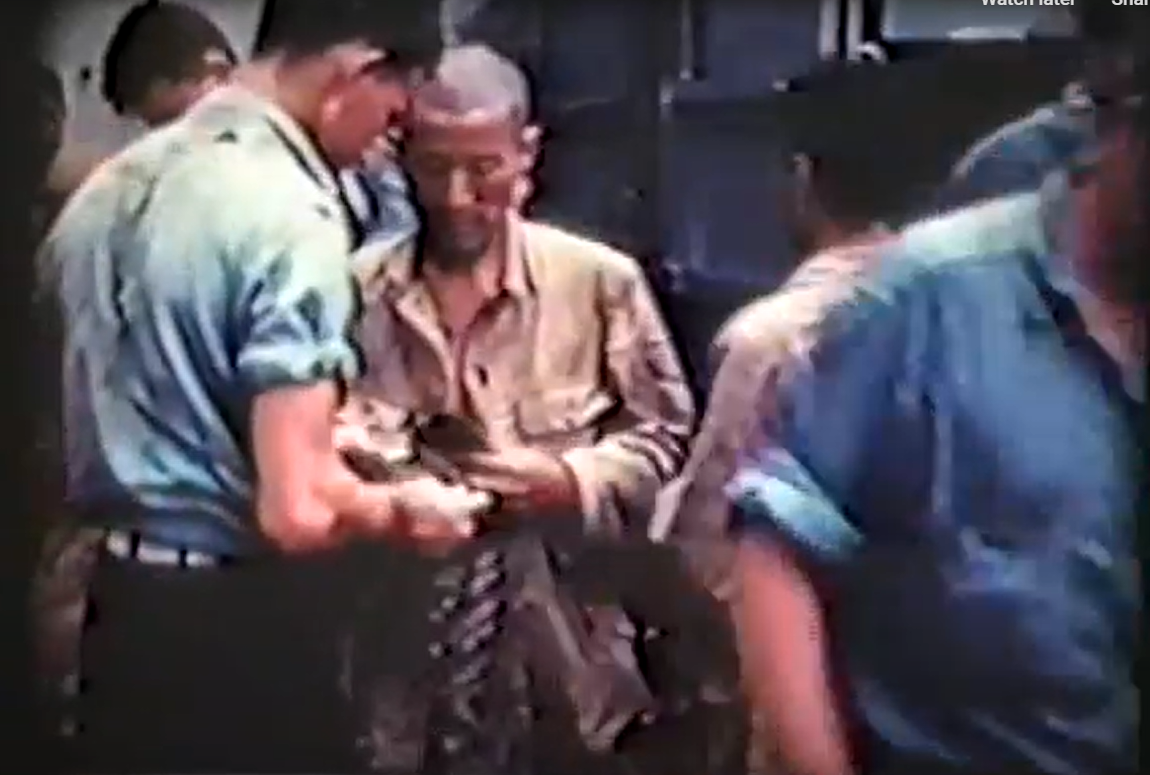
Japanese POWs embarking on the USS Calvert, July 1944
Japanese POWs being searched aboard the Calvert
Japanese POWs being searched aboard the Calvert
Each prisoner had choices to make: How to conduct themselves; How to relate to their new place and circumstances, if at all; How closely they would hold to their core beliefs, their understanding of their place in the world; The decision to hold onto the strong sense of nationalism and superiority which inspired them into war in the first place.
These are themes explored at depth in both The Fifteen and The Welsh Girl. Each is a worthwhile exploration of how place, conditions, and community shape an individual’s beliefs, identity, actions, belonging, and longing in a time of war: A time of rapidly shifting circumstances directly impacting a person’s uncertain fate, moment to moment.
My most recent curiosity, unlikely to ever be practically explored, is if any of the Calvert’s WWII POWs found a small sense of their own personal cynefin on U.S. soil. Or even possibly during their brief time aboard the ship.
==
Notes and sources
The USS Calvert’s assault landing at Scoglitti, Sicily, July 1943
See pages 32-35 in the downloadable .pdf document available on the page linked below, which covers details of the Calvert’s assault landing at Scoglitti where William H. Shaefer landed and was subsequently captured by enemy forces. Although Shaefer is not identified in this historical record, his companion, Seaman Francis Carpenter, is represented.
See paged 58-59, in the downloadable .pdf document available on the page linked below, which covers Calvert crew members’ recollections regarding the transport of German and Italian POWs from North Africa to Norfolk in July 1943, following the Invasion of Sicily.
The Cynefin Framework, by David Snowden, is how I first encountered the word cynefin, an introduction to the idea, and the practice of sensing making. His explanation of origin of the word, and why he choose it to name his framework, is what really has carries significance for me.
An introductory video, circa 2010, which I revisit often:
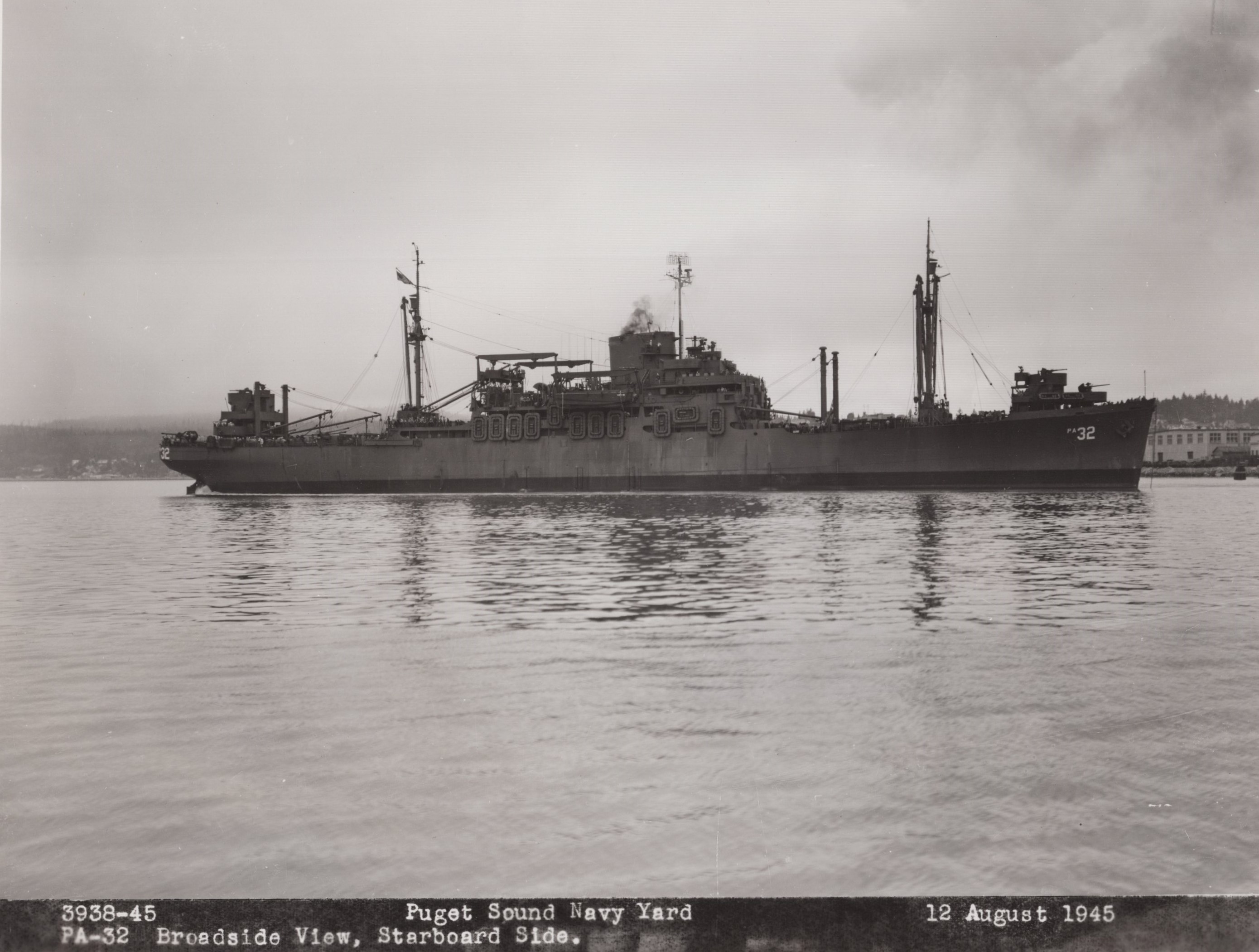
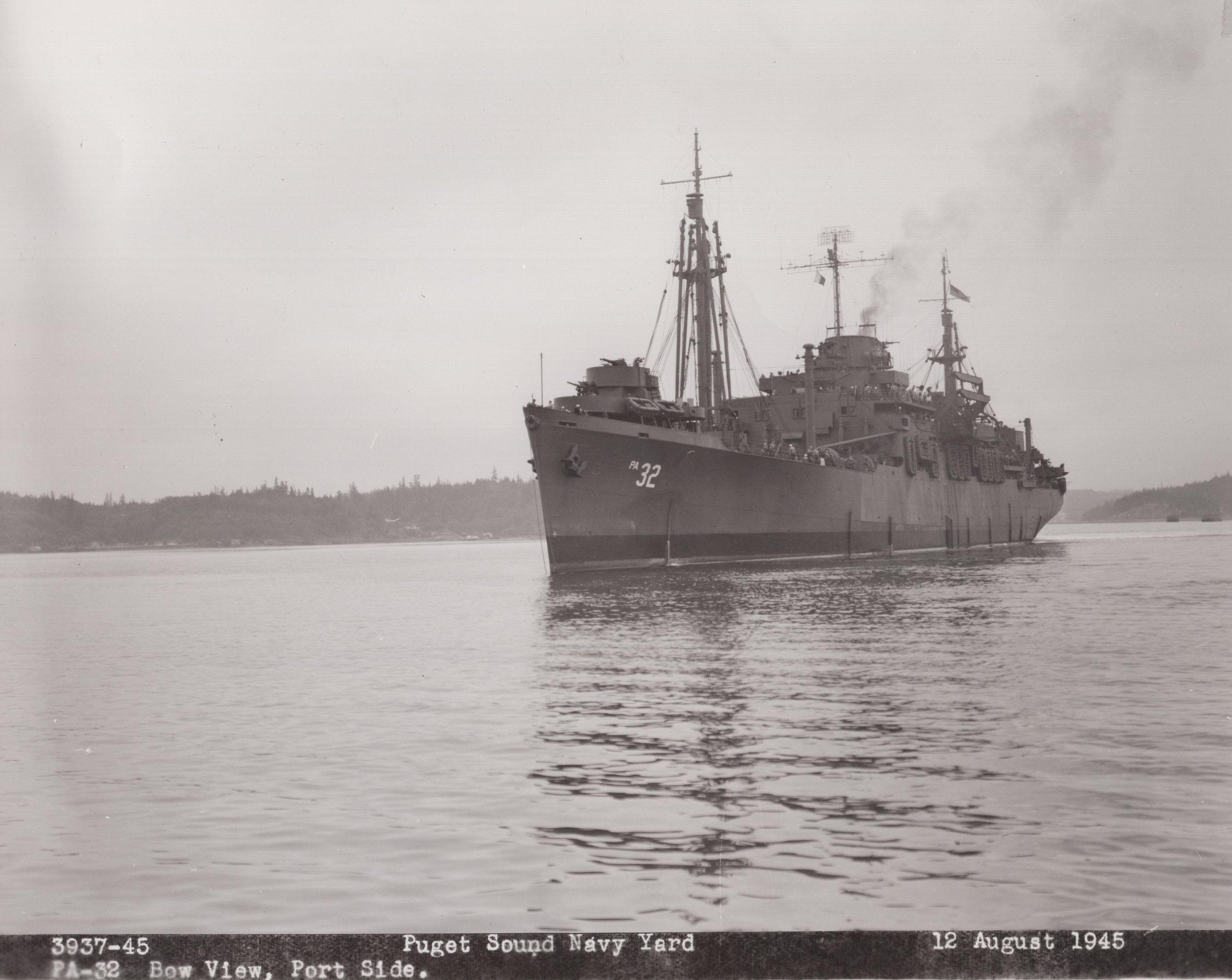
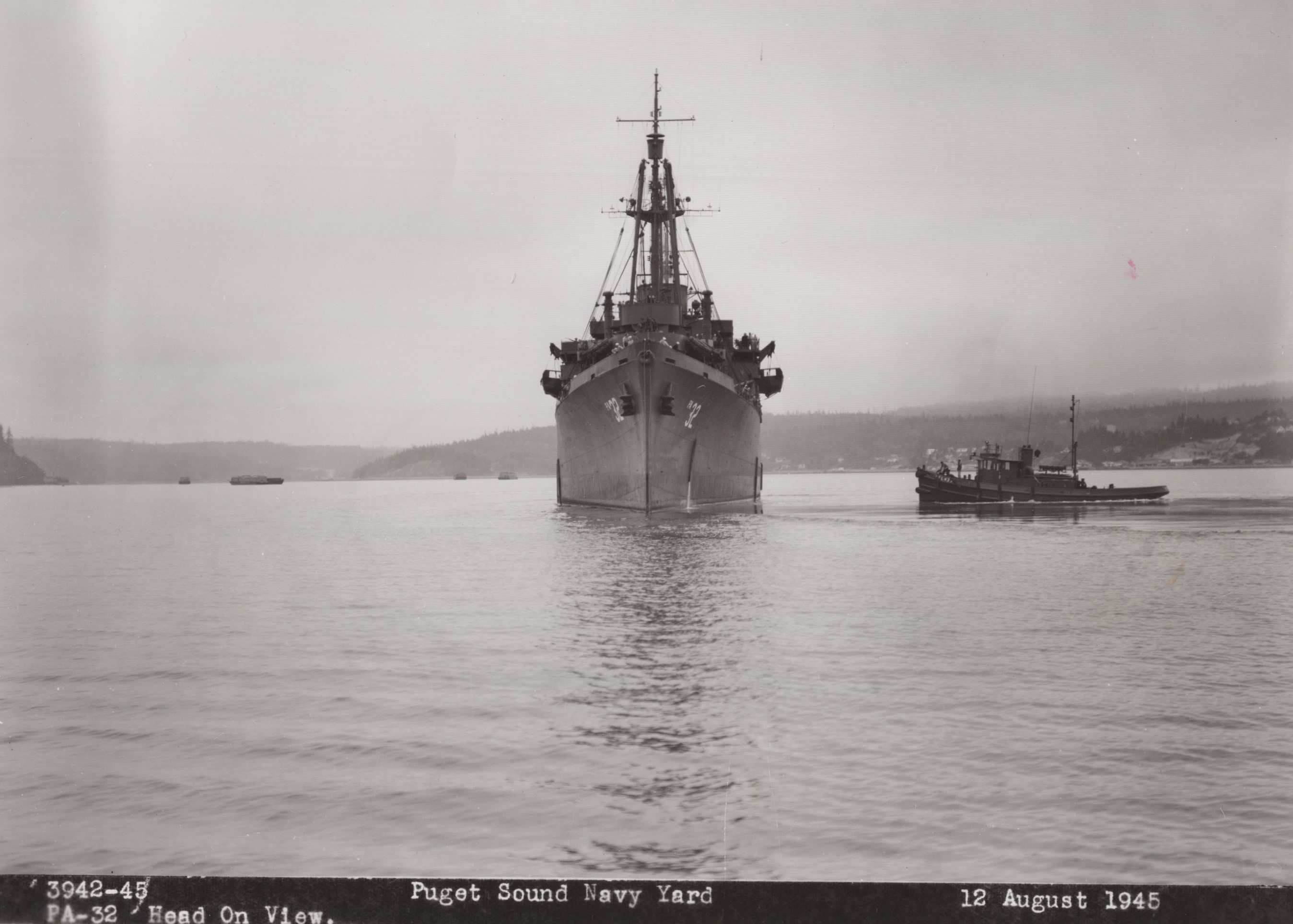
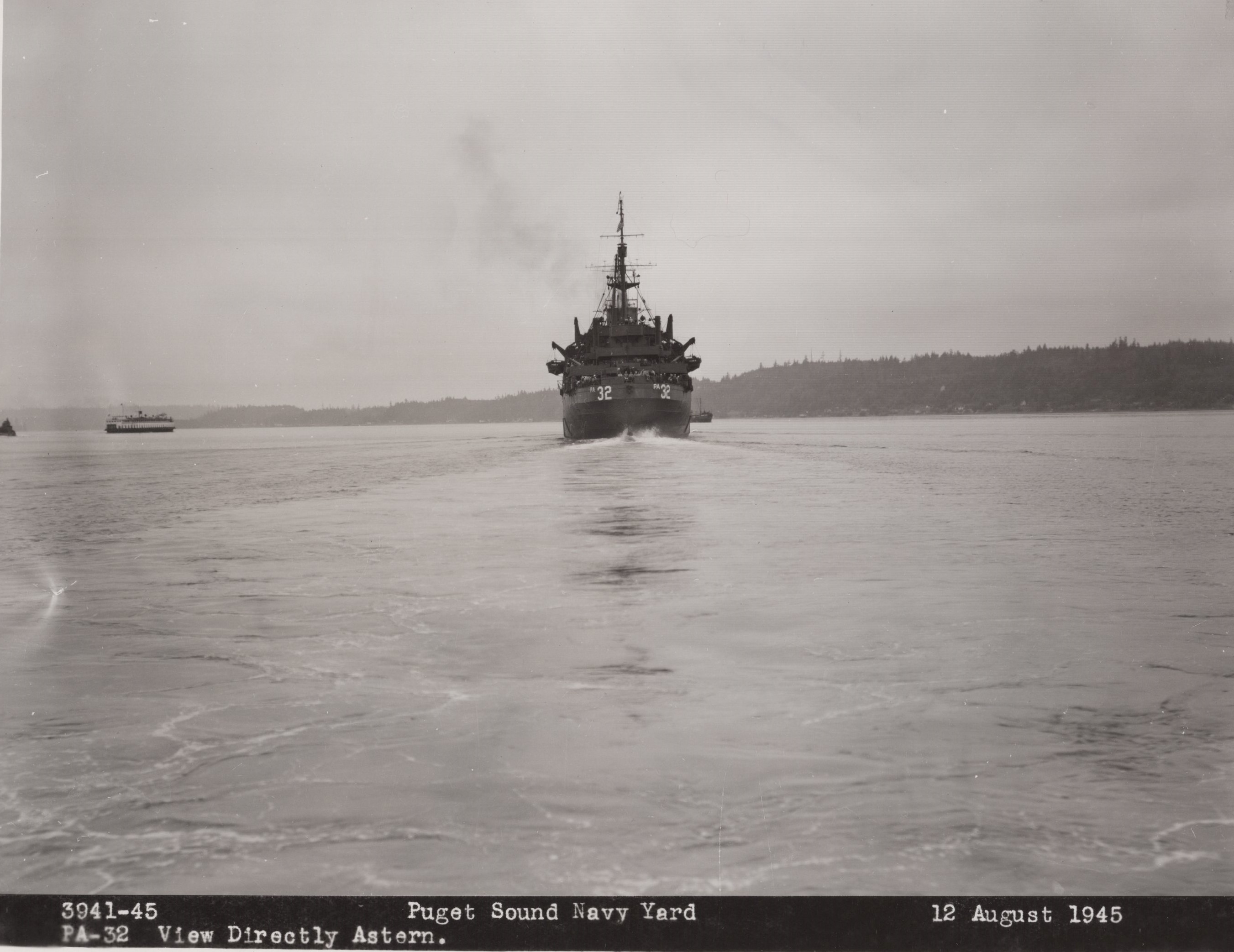
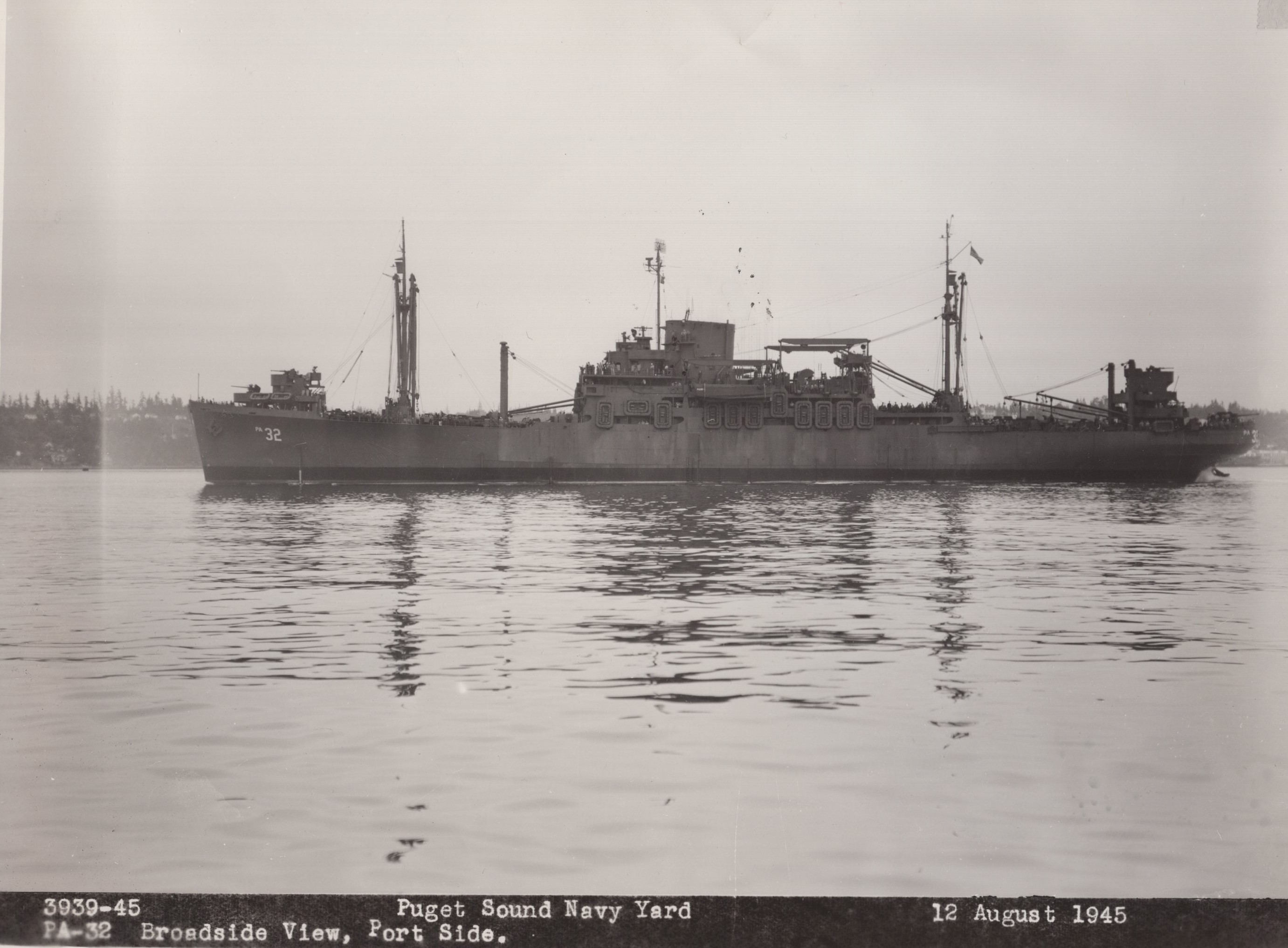
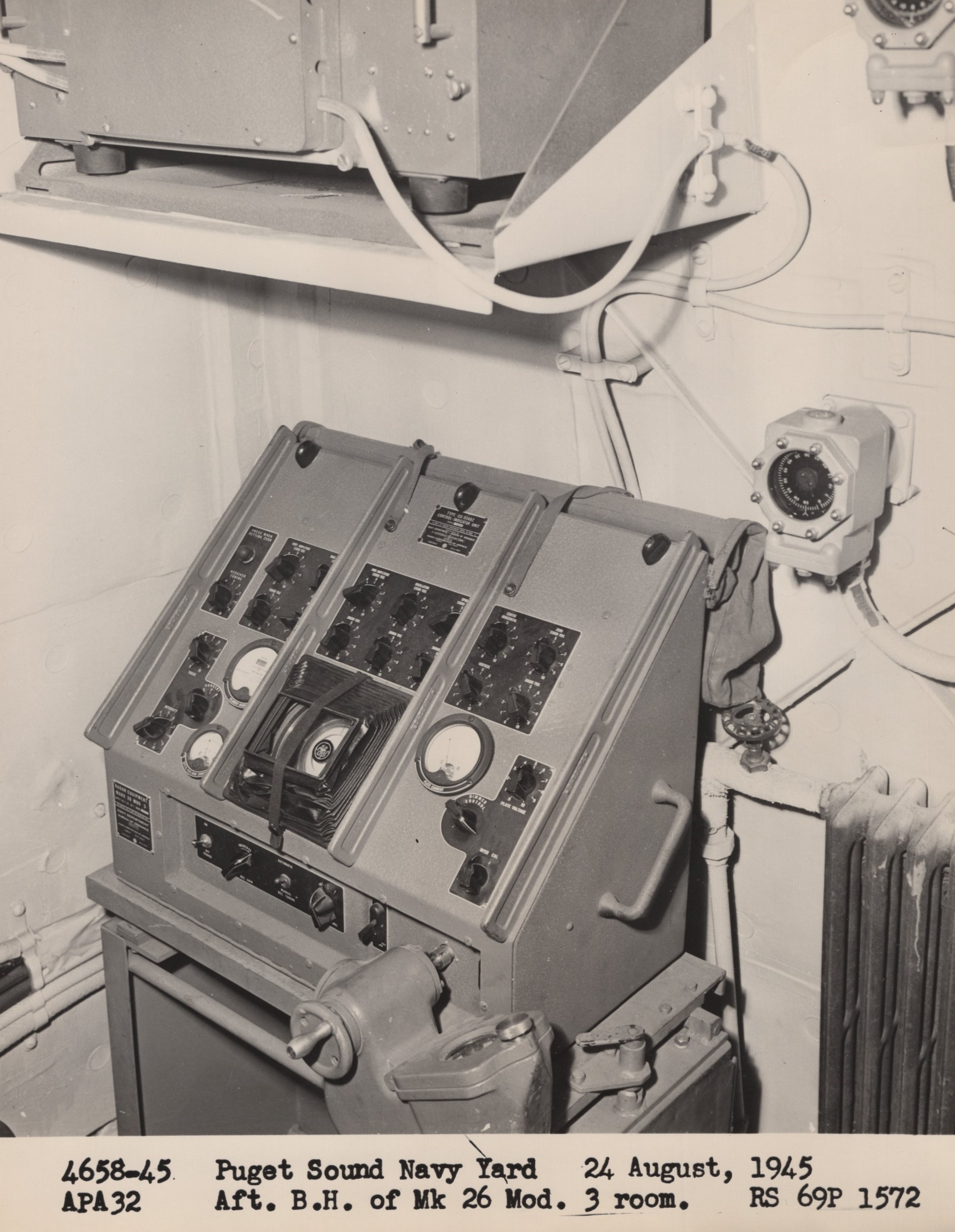
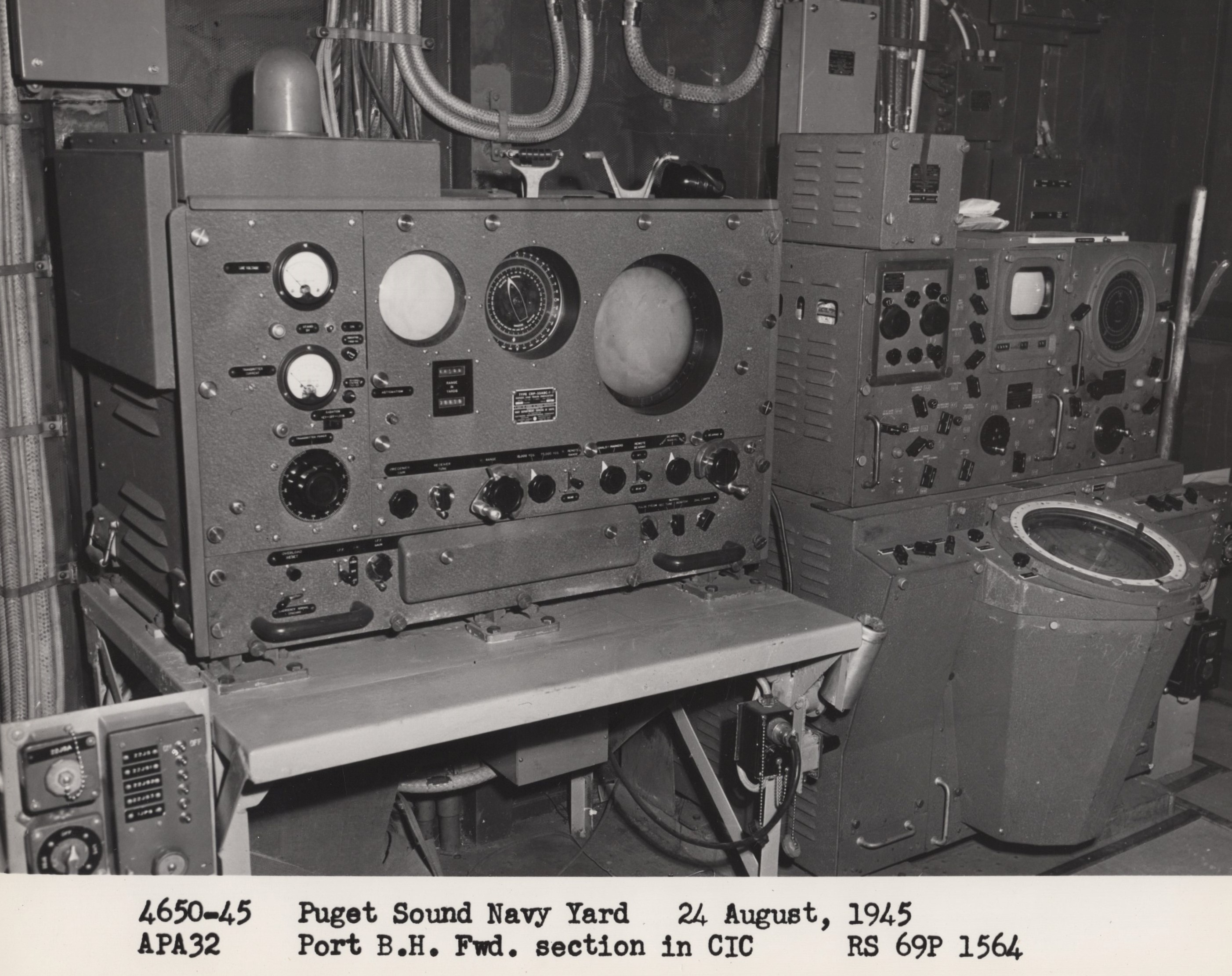
This is the third of three sets of photographs of the USS Calvert, taken by the U.S. Navy during World War II. I was informed of the existence of these photographs by Dennis Worthington, son of the late Hoyt Worthington who served aboard the Calvert during WWII.
The original photographs are available at the Maritime Administration’s (MARAD) website, here (click on the “images” tab)
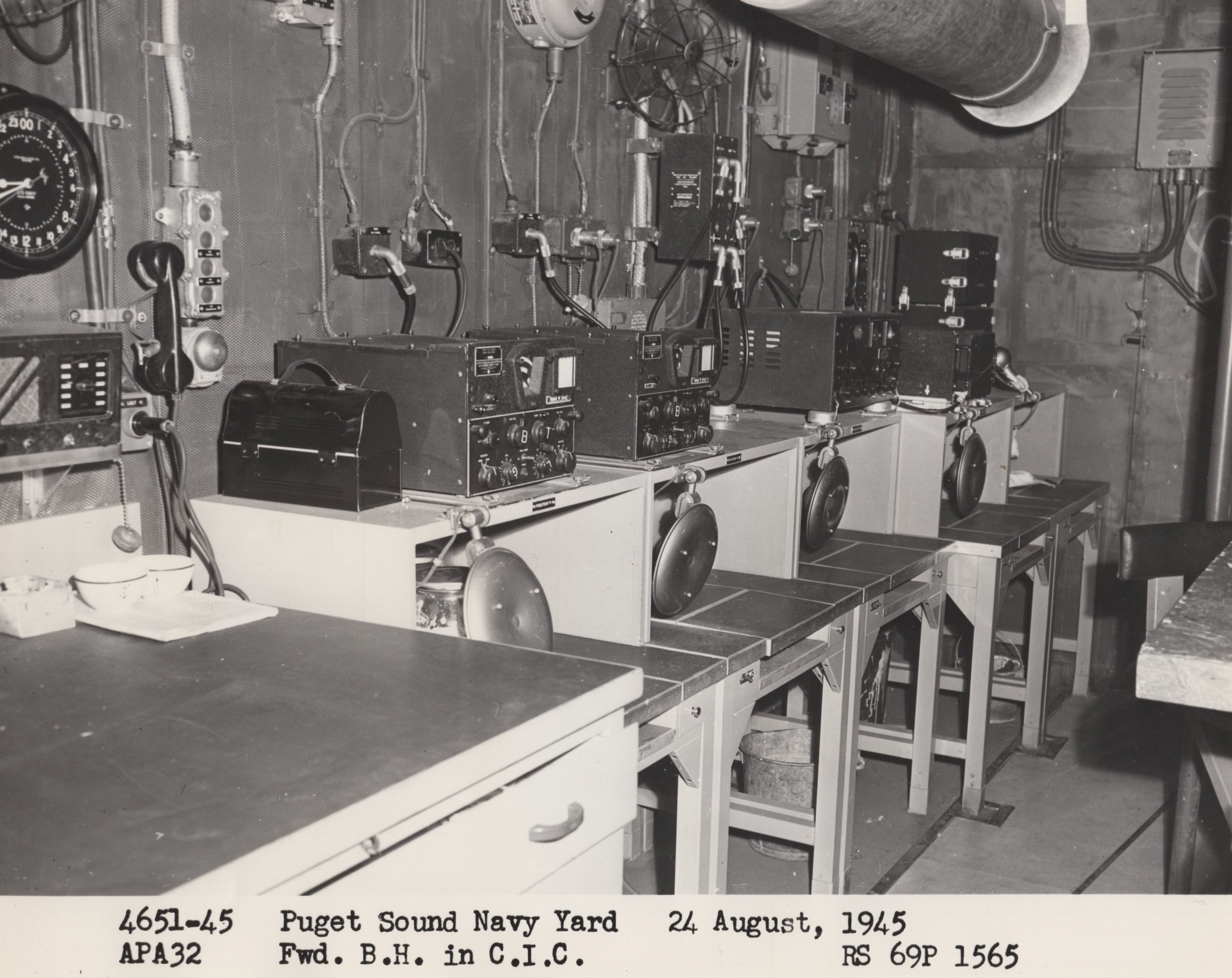
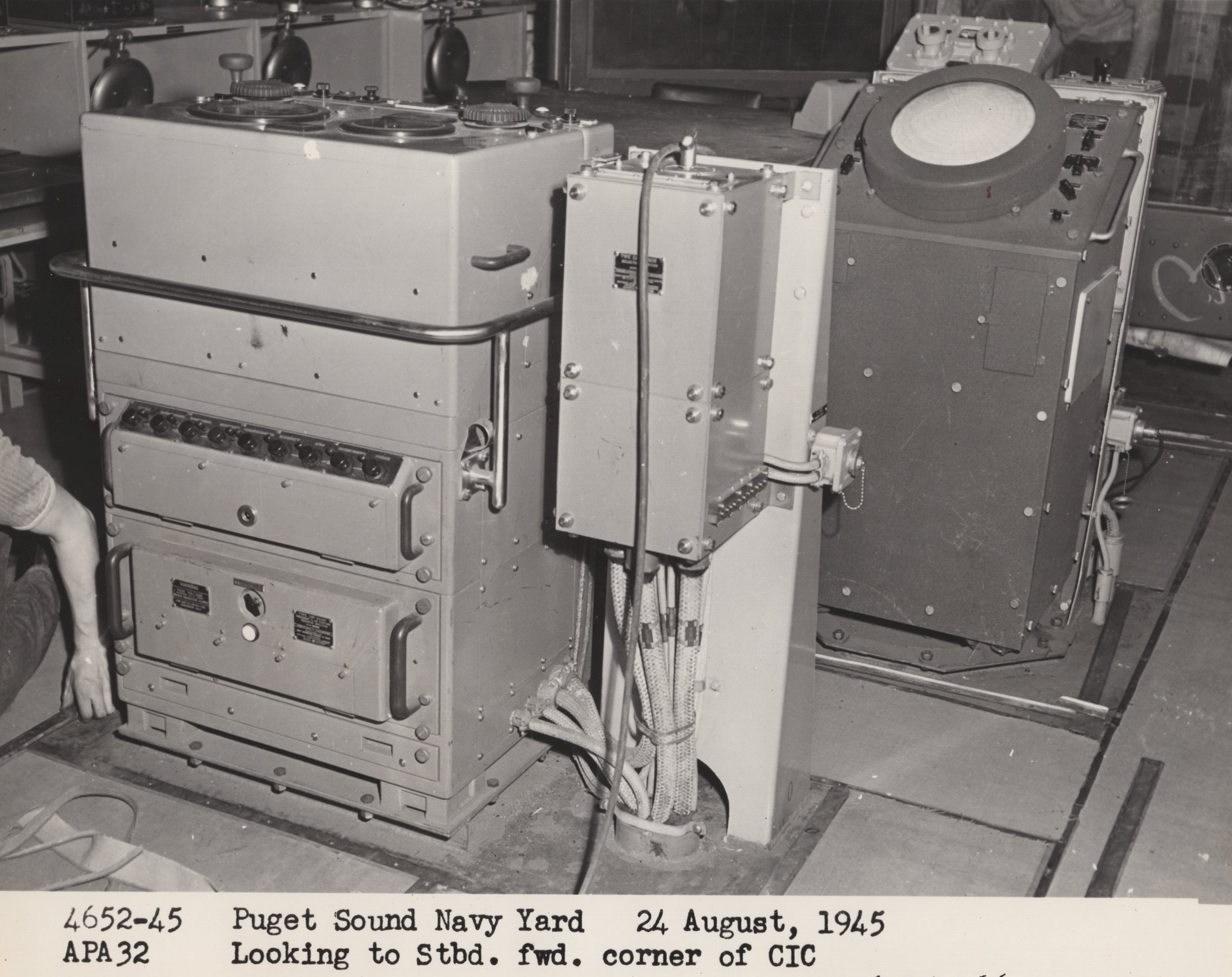
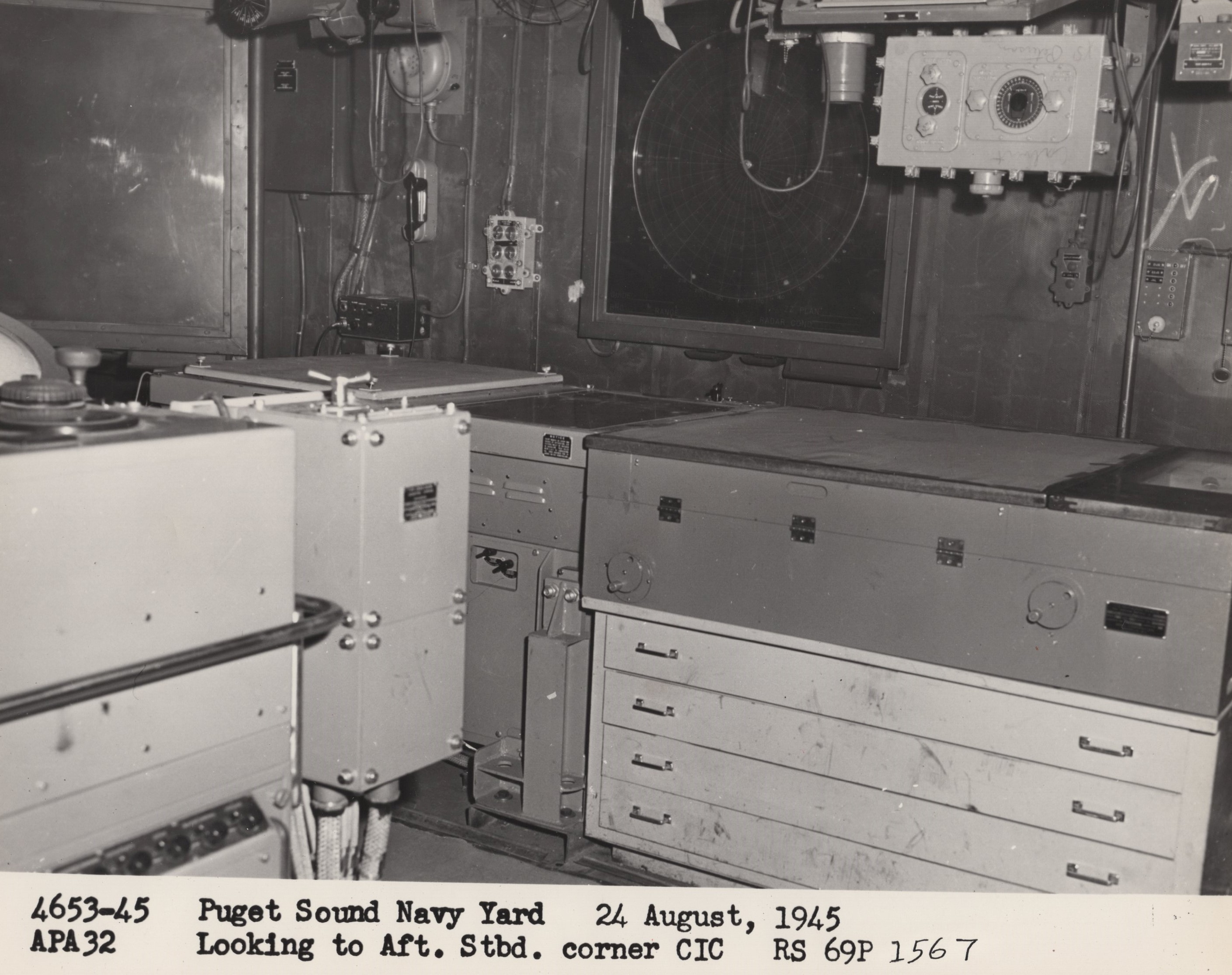
This third set shows the Calvert in August 1945 at Bremerton, WA, following conversion to a Relief ACG, Amphibious Force Flagship, in preparation for her expected participation in the Invasion of Japan (which was not necessary as a result of Japan’s surrender in early September).
Click on each image to open a new page showing the full large-size image, and an excellent view of the details of the ship’s form and mechanicals at this time. There are also several images showing details of the Calvert’s upgraded Combat Information Center (CIC) equipment.
This is the second of three sets of photographs of the USS Calvert, taken by the U.S. Navy during World War II. I was informed of the existence of these photographs by Dennis Worthington, son of the late Hoyt Worthington who served aboard the Calvert during WWII.
The original photographs are available at the Maritime Administration’s (MARAD) website, here (click on the “images” tab)
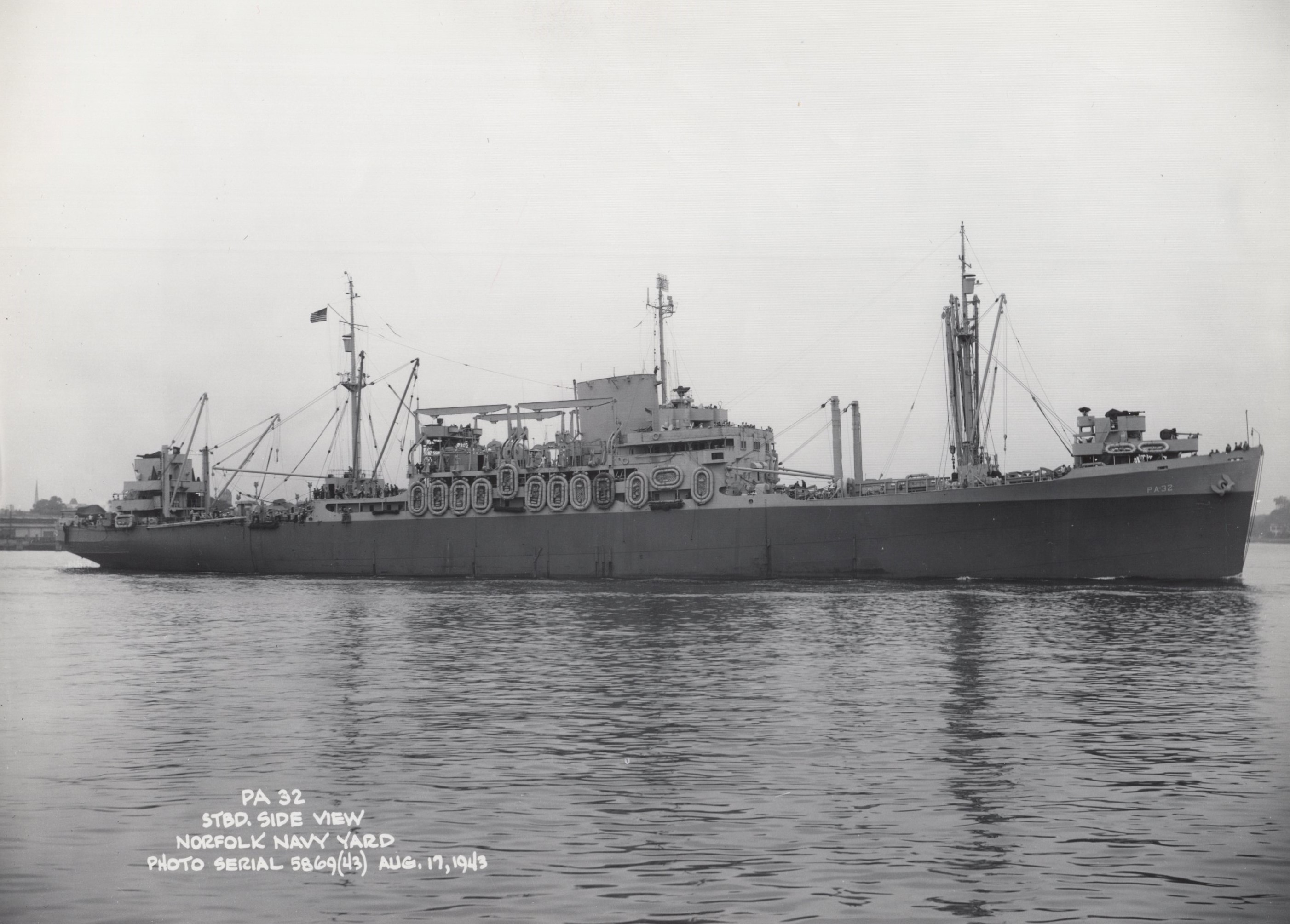
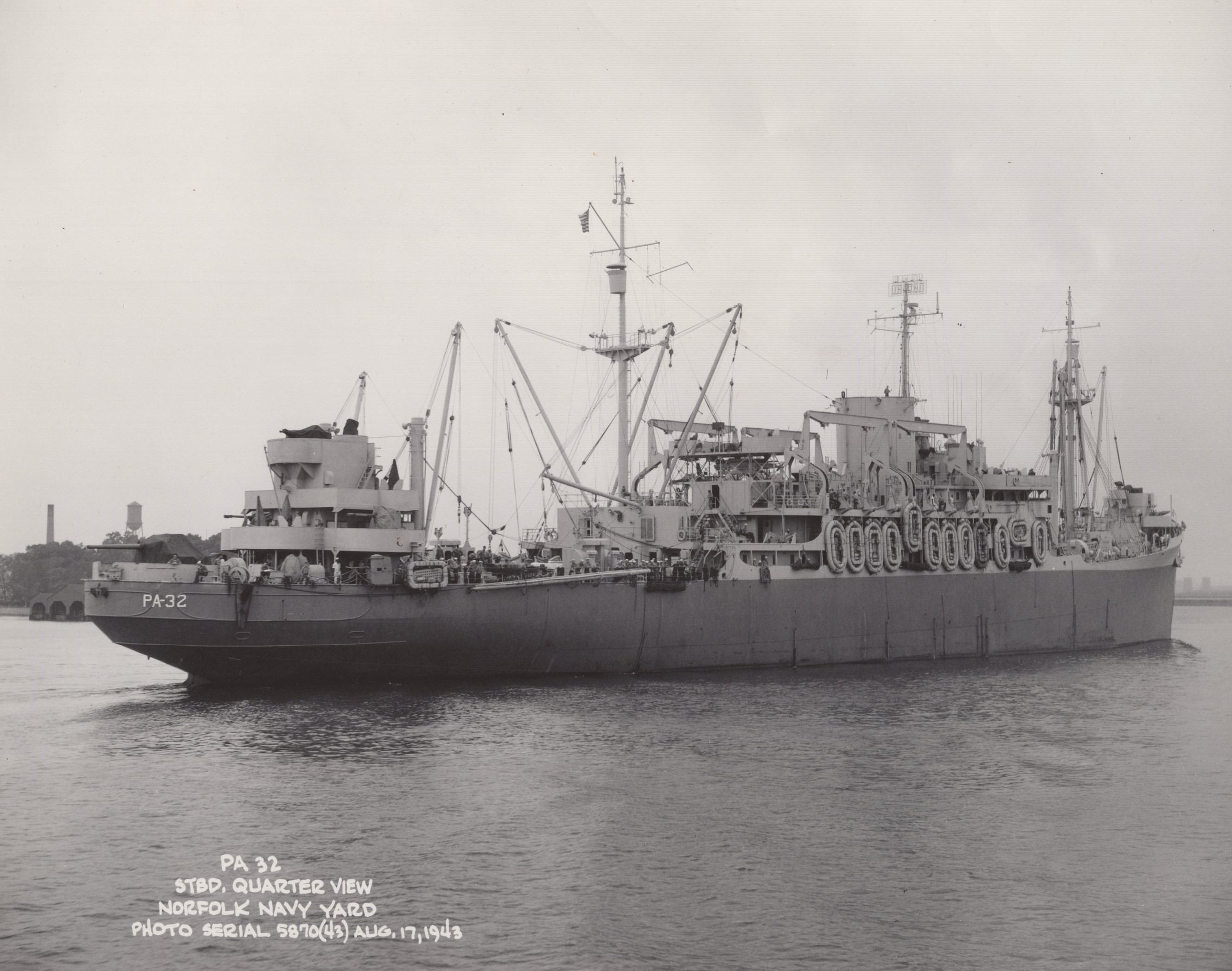
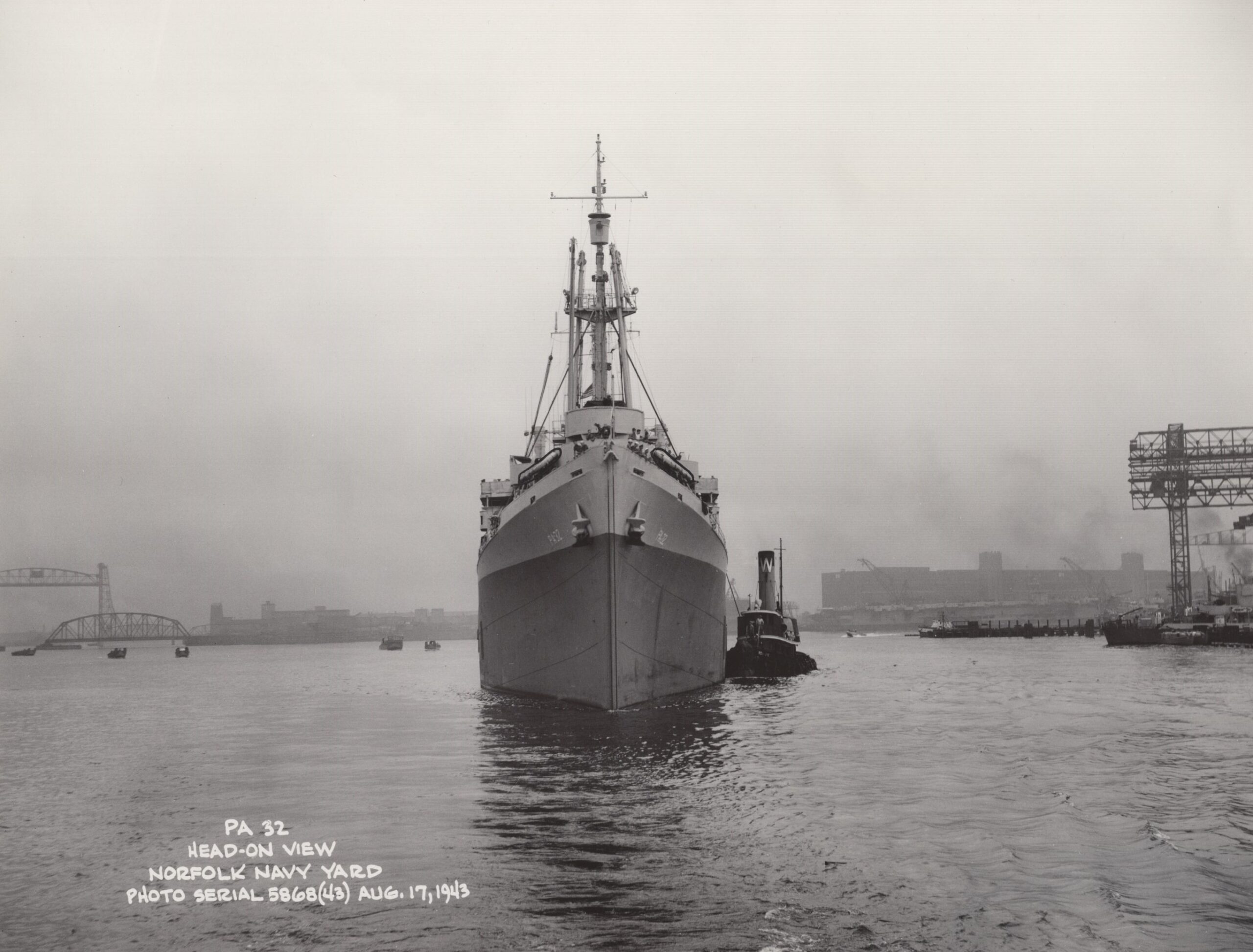
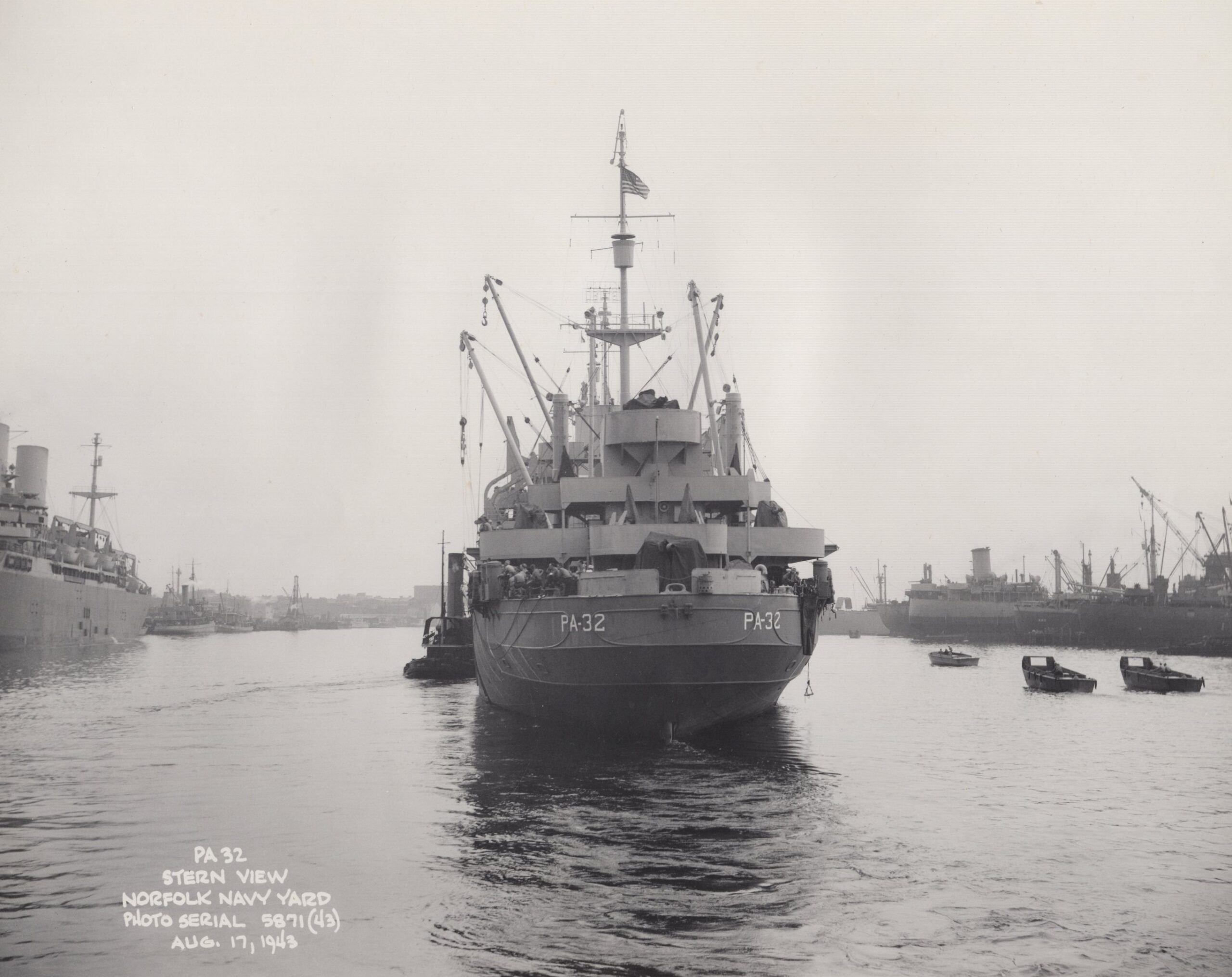
This second set shows the Calvert in August 1943 at Norfolk, VA, following upgrades which took place at the Todd Shipyard, New York in preparation for her part in the Invasion of Sicily in July of 1943.
Click on each image to open a new page showing the full large-size image, and an excellent view of the details of the ship’s form and mechanicals at this time.