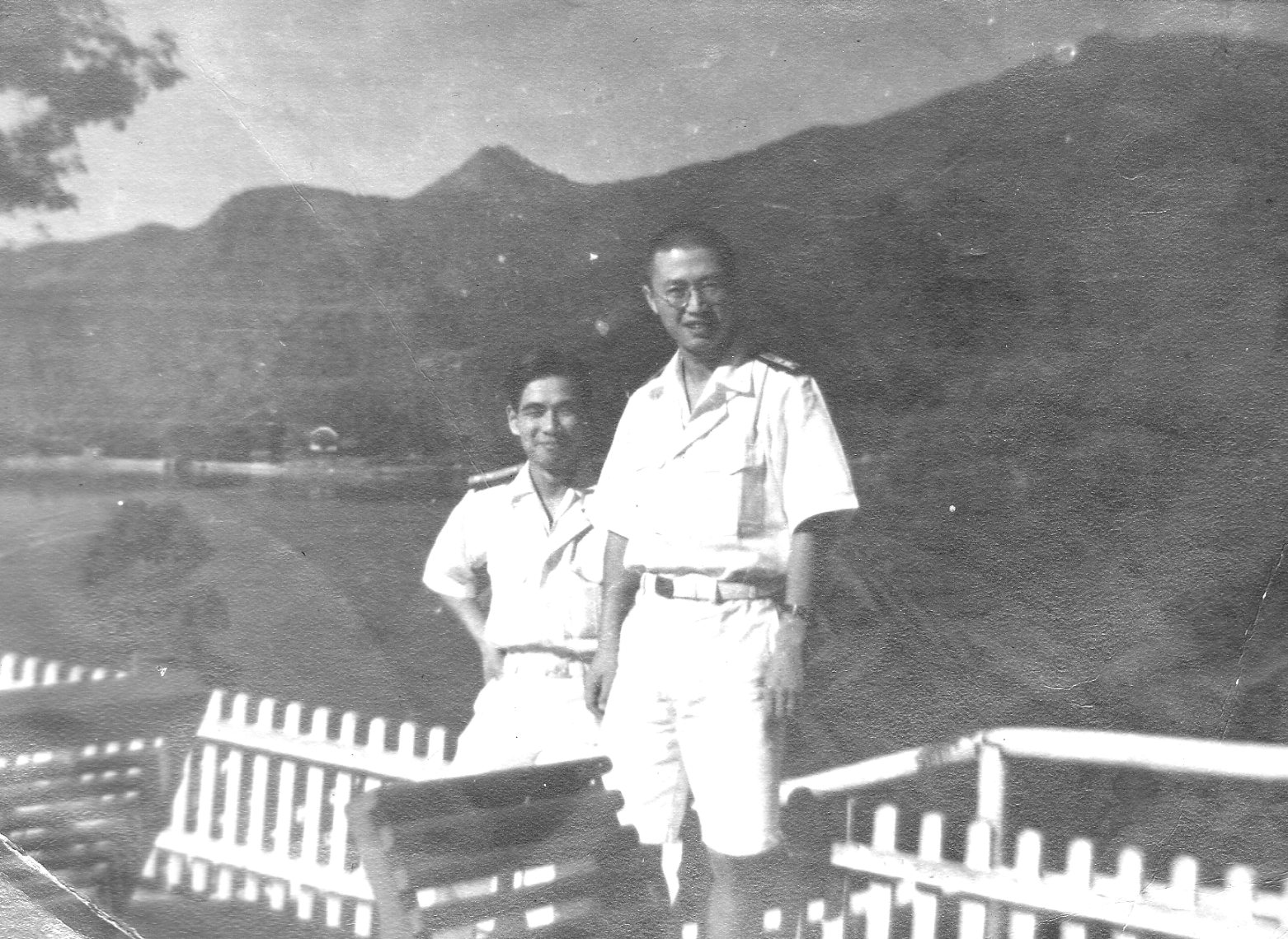
Steve Straka (MM2, “A” Division, 1962-1965), was kind enough to provide the following story via email:
After leaving San Diego in January 1964 we went to Hawaii to pick up Marines to take to Japan. As is normal when a convoy leaves Pearl Harbor the submarines conduct war games on the convoys and the surface ships do anti-sub maneuvers. We settled into normal sailing, when over the loud speakers came “General Quarters – General Quarters – This is not a drill – Torpedo Port Side All Hands to Battle Stations.”
I was in the fresh water evaporator room on the port side. I heard a loud bang and felt the torpedo hit just forward of the evap. room, in the engine room. I had on my sound powered phone and heard the engine room say there was a hole in the port side and we were taking on water. This was getting scary.
As luck would have it. the torpedo hit on a heavy steel rib and it was only a small hole in the hull. The damage control party was able to slow the leak and we continued on to Youkoska Japan where a patch was welded on the. hull. If the torpedo had hit one foot either way, it would have been sitting in the steam generators knocking out all the power.
When we left Pearl Harbor we went into a anti-sub convoy formation. The sub had set up a torpedo plot on the USS Paul Revere (APA-248). When they fired a practice torpedo it was set to go under the target ship, it would then rise and continue to run until it ran out of fuel. It was then recovered. Well the Paul Revere was on our port side. Need I say more! The Captain said that was the fastest the ship ever went to General Quarters.
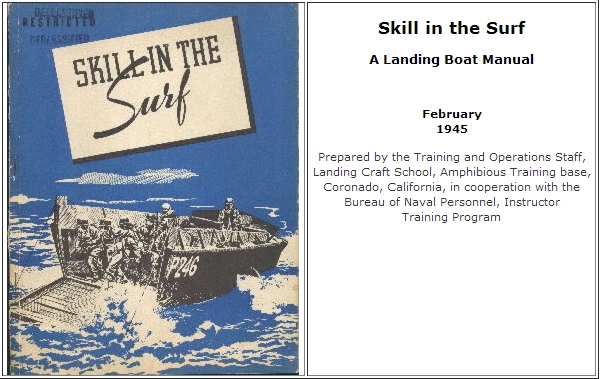
The Navy Department Library has published a free online copy of Skill in the Surf – A Landing Boat Manual. This manual was originally published by the US Navy in February, 1945.
Video of the embarkation of Japanese POWs onto the USS Calvert, at Saipan, for transport to Hawaii, in July 1944
Treatment of the POWs aboard the Calvert
Here is Sterling Funck’s description of prisoners’ treatment and conditions aboard the Calvert:
Confiscation of the prisoners’ personal belongings
As the prisoners boarded the Calvert they were stripped of all personal belongings. Many times the Calvert’s crew members (particularly deck division and medical division personnel) were on receiving end of these personal belongings as the prisoners surrendered their belongings.
Sterling Funck’s experience searching the prisoners: “I was on the search party this time. The Japanese prisoners were made to climb up the landing nets, unclothed except for skivvies. They were strip searched several times before they ever even got to the ship. But being in the search party aboard ship you still found contraband, pieces of glass, anything they could get a hold of they would. But honestly, the biggest thing I was scared of was the trigger-happy Marines standing on the upper deck.
But anyhow, this one guy came aboard, and I signaled to him to spread his arms and legs so I could do the search. He said, “May I ask you something” or something to that effect. I said “What”, cause he could speak better English than I could. He said “I have a locket here of my wife and children. Would you take it from me so it don’t get thrown away.” How he ever got it aboard, where he hid it, I’ll never know because it was about 3 inches by 2 inches, or bigger. So I called the officer over that was on duty for the search party, and I showed him the locket that the Japanese fella still had in his hand. The officer said “Yeah, you can take it from him, but first he has to open it for you.” You see, they would have everything rigged as a bobby trap. He told him to back away and open it. I was allowed to keep it.
That Japanese prisoner was very appreciative that the picture of his wife and daughter didn’t get discarded. The guy’s story was that he graduated from the University of Chicago and had gone home to Japan to bring his wife and children back to the United States. Before he was able to return to the United States the war broke out. He was conscripted and sent to the Marianas. I know I brought that locket back home from the war, but to this day I don’t know where it is, or whom I would have given it to.”
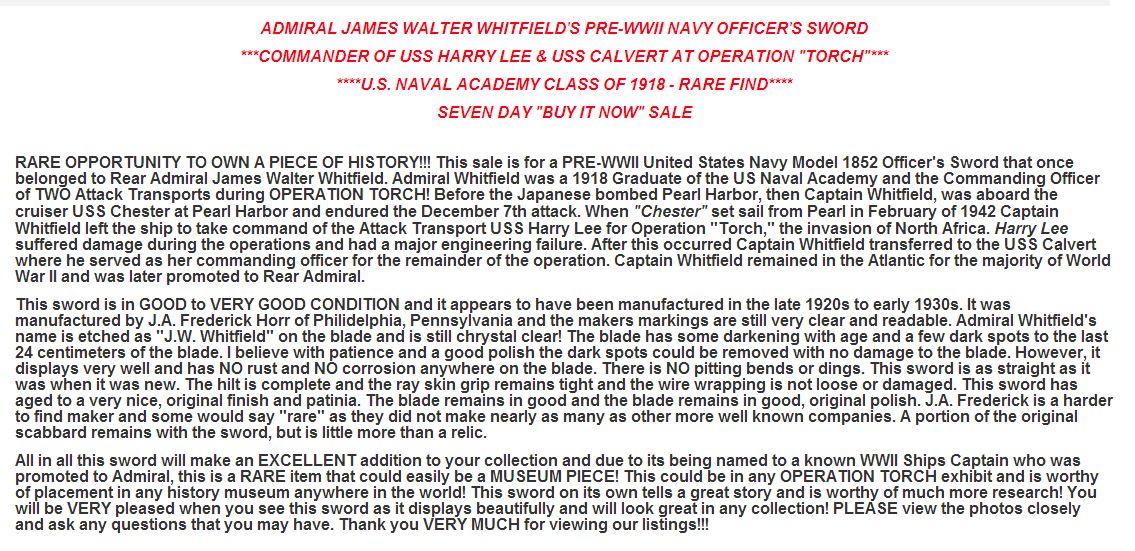
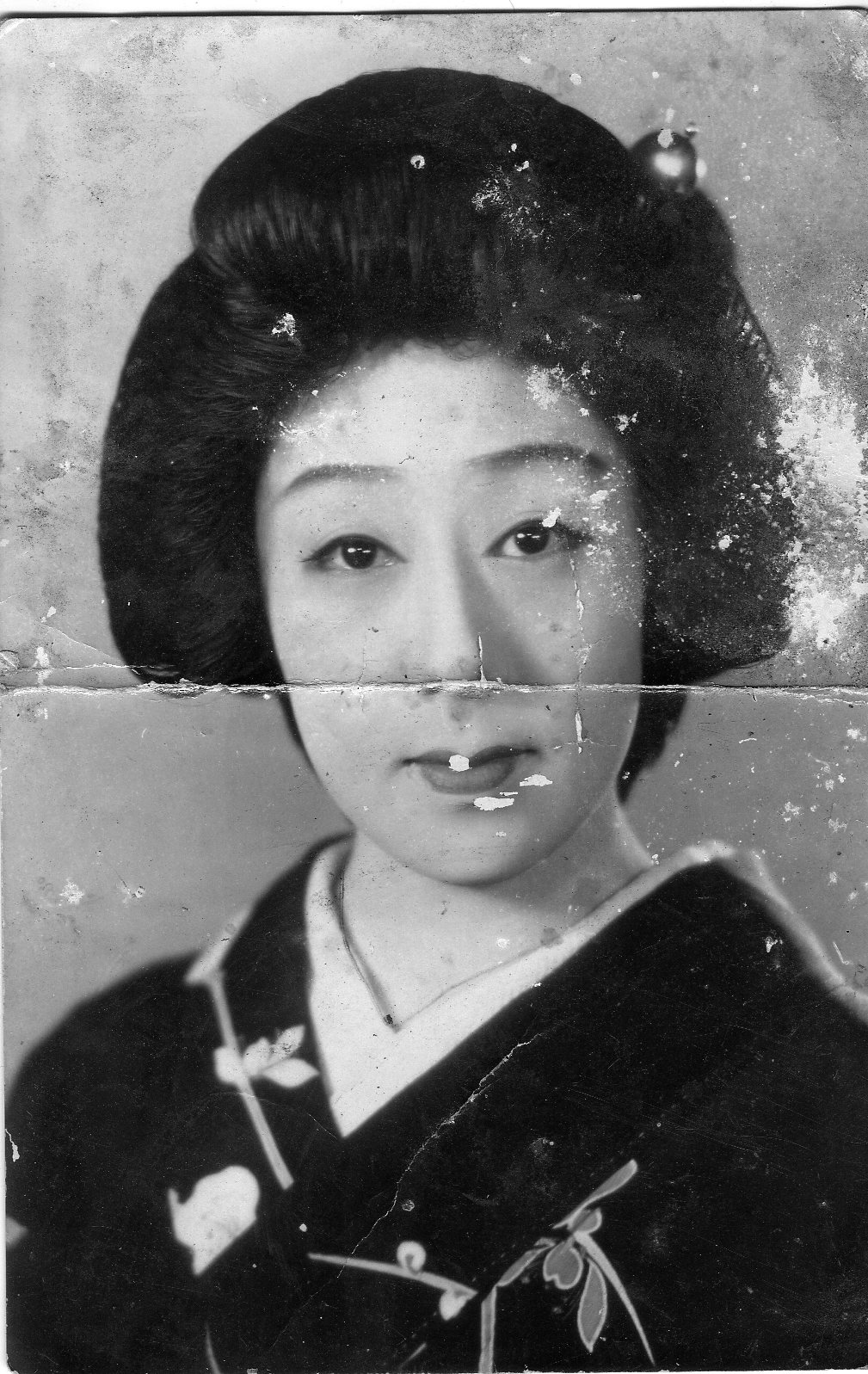
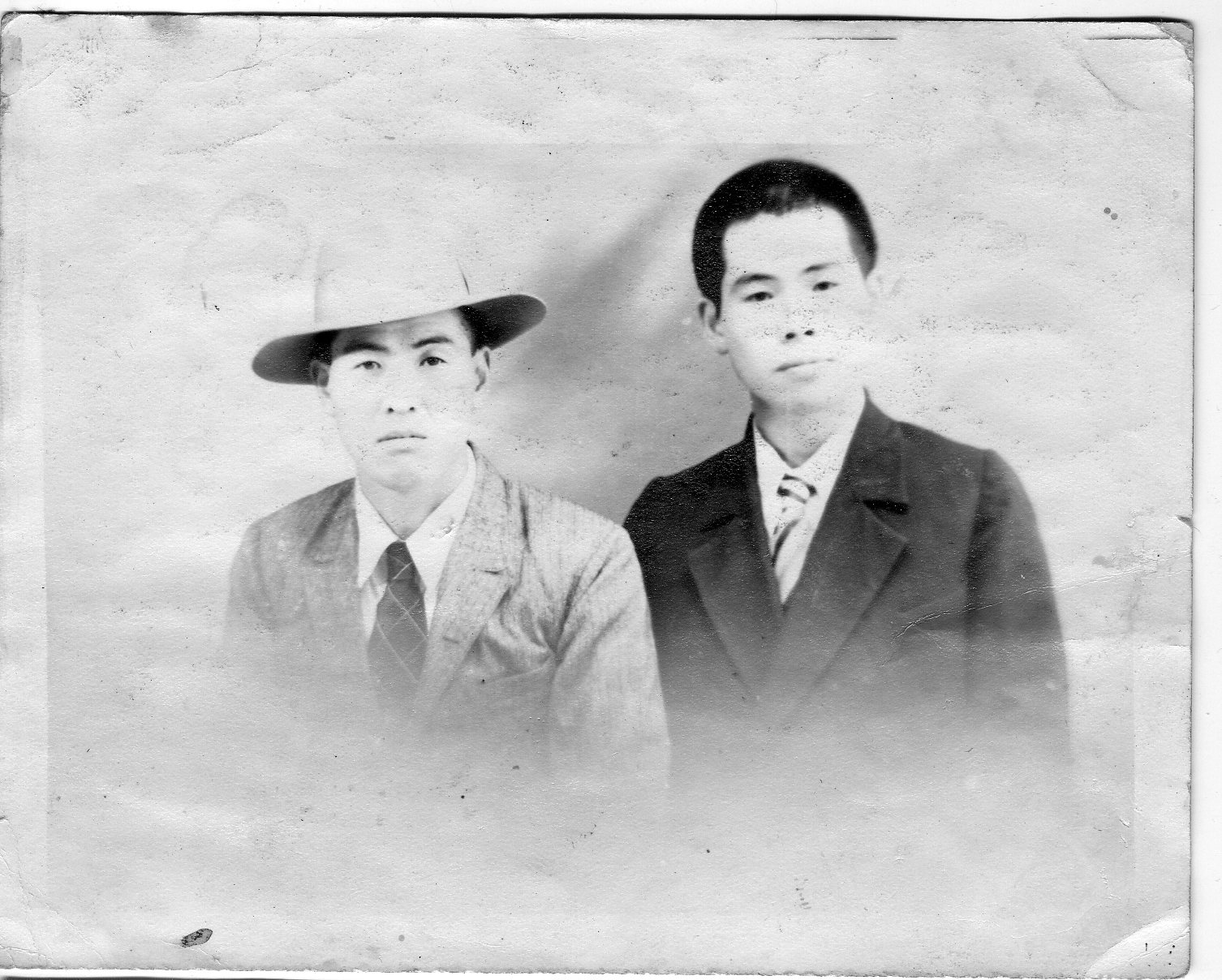
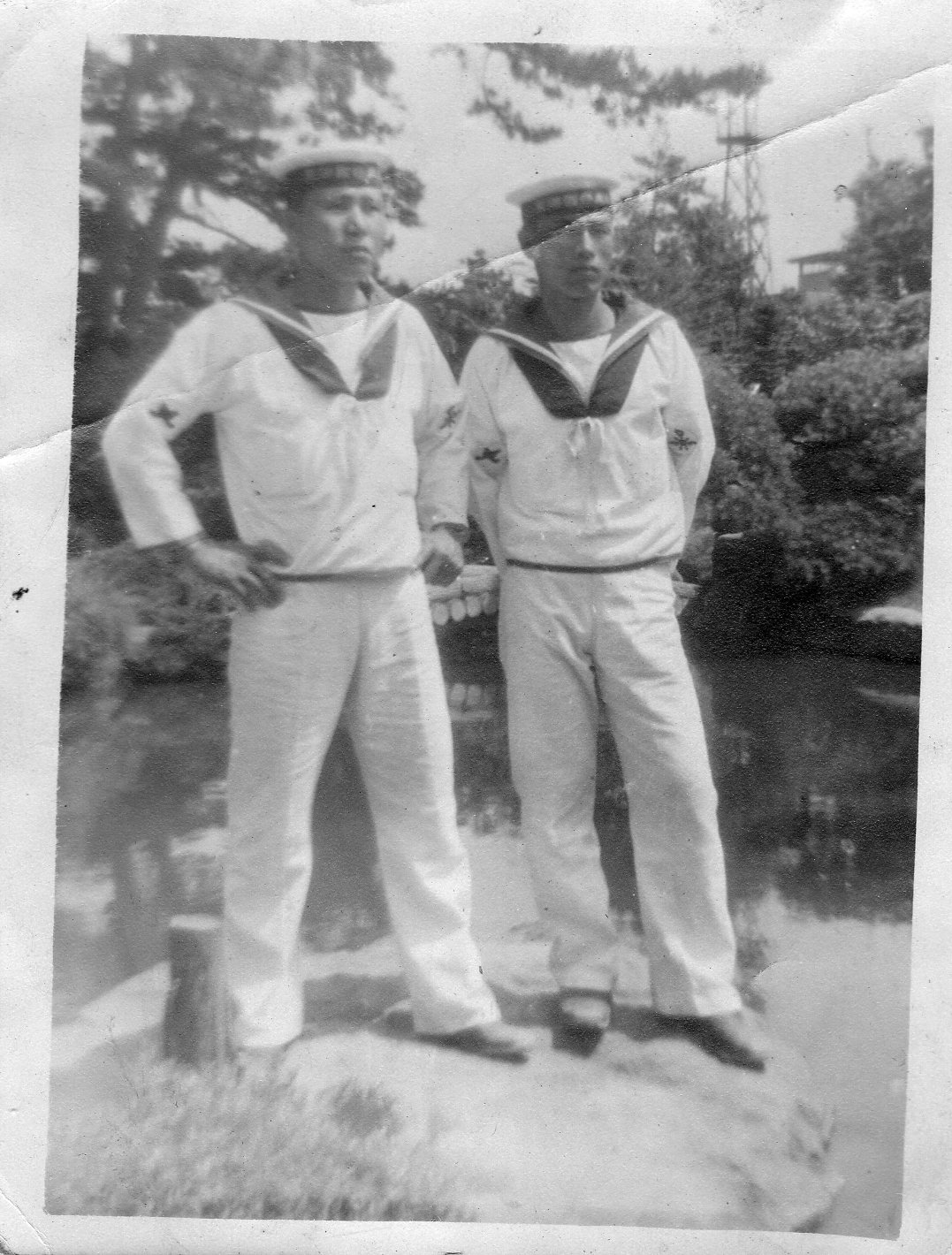
H.W. “Mack” McClellan’s POWs’ personal photographs
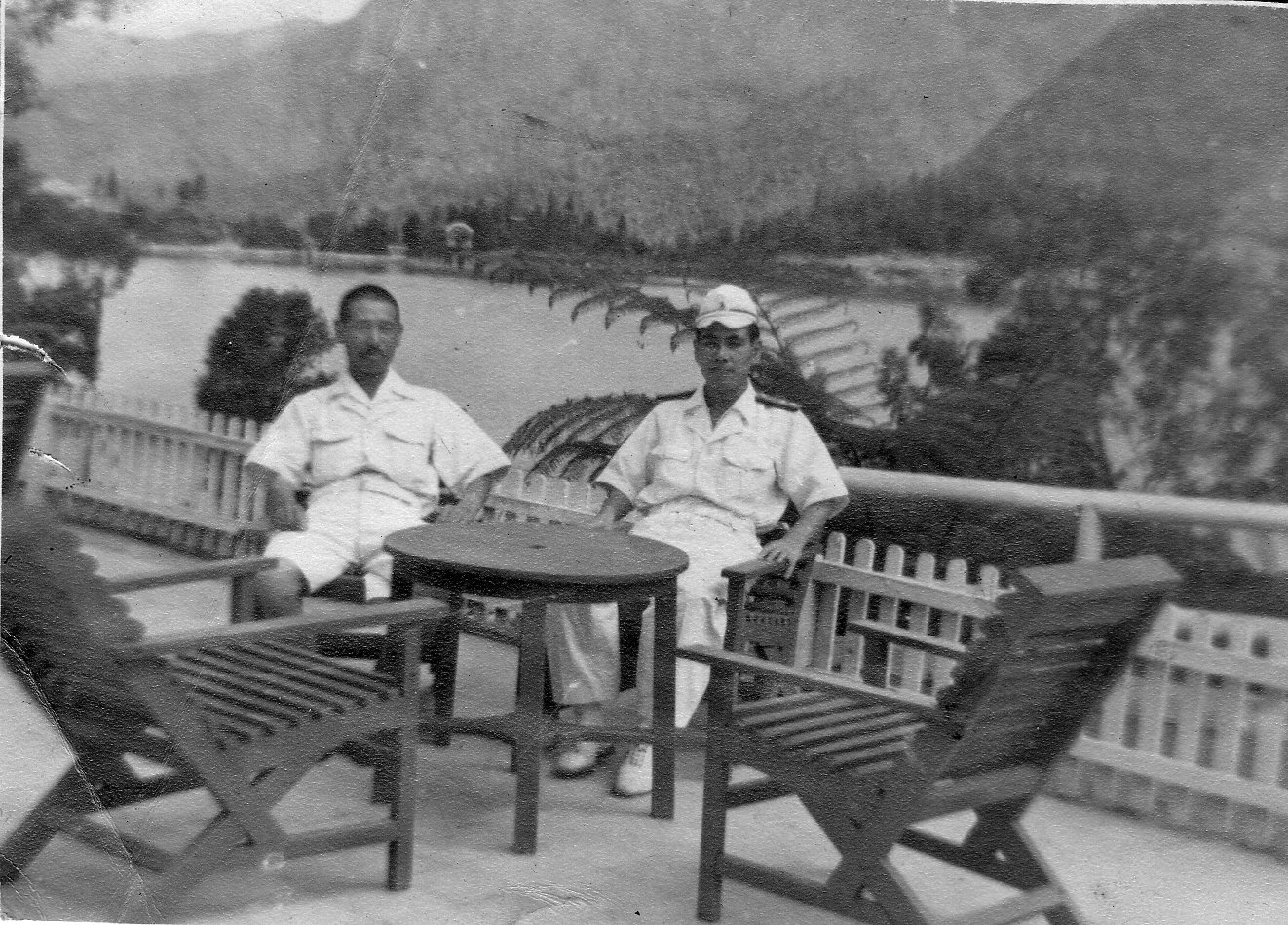
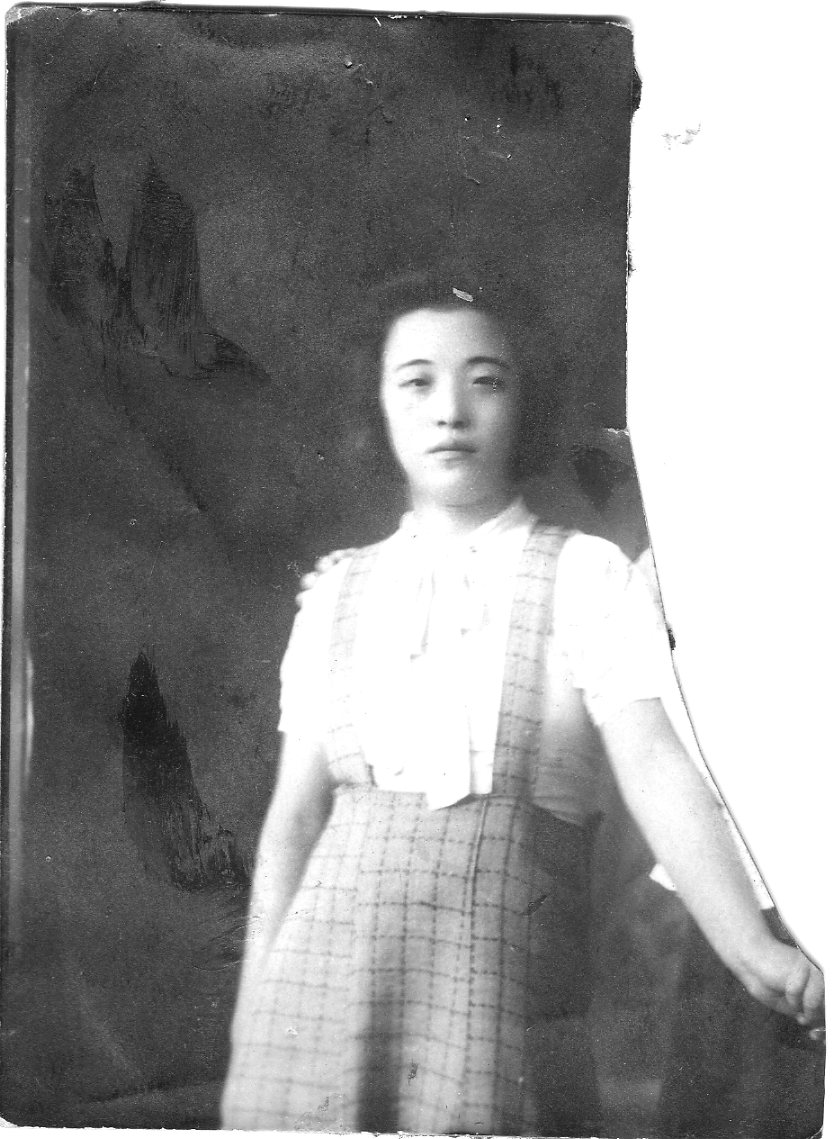
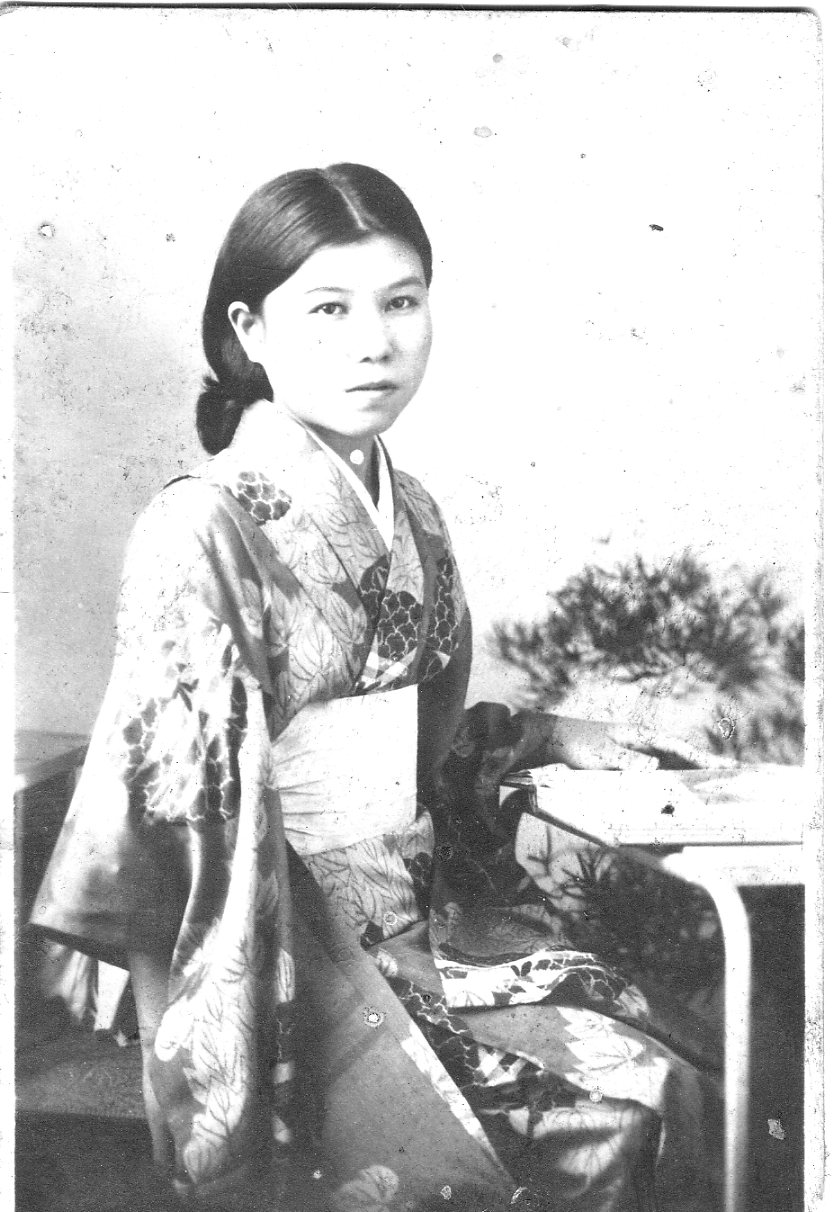
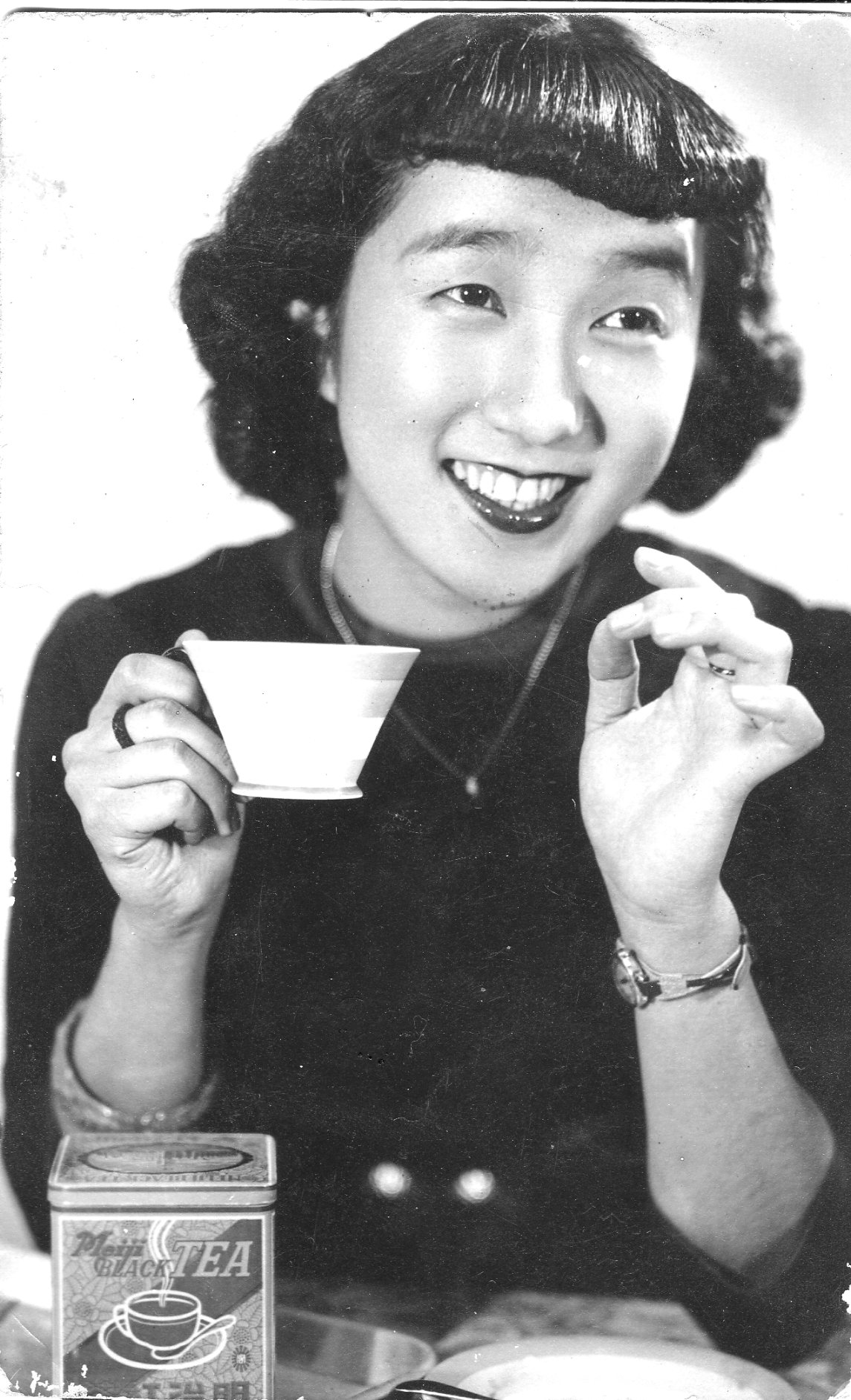
Many thanks to Robert McClellan for sharing the pictures below, from his father’s collection while aboard the Calvert. Here is the background on these photographs:
“My father collected souvenirs. Among his papers I found these captured pictures. I don’t know where he got them but there are also some letters from home to some Japanese sailor dated early in 1942. Note how the picture of the young woman has had a male companion snipped out of the picture. Some things are universal. I think the girl with the tea was some sort of celebrity, it’s too slick look to be a picture of just a girl back home. Notice her western hairdo. I thought y’all might like to see these pictures even if they are sort of sad to think about.Also like Boatswain Funck, Daddy picked up a Japanese carbine and managed to get it home. It’s the odd 6.5mm one with the folding bayonet. He told me he also had a German P-38 that he got in Sicily but had to throw it overboard when the captain came looking for contraband. He had other stuff but he said it was stolen out of his locker.”